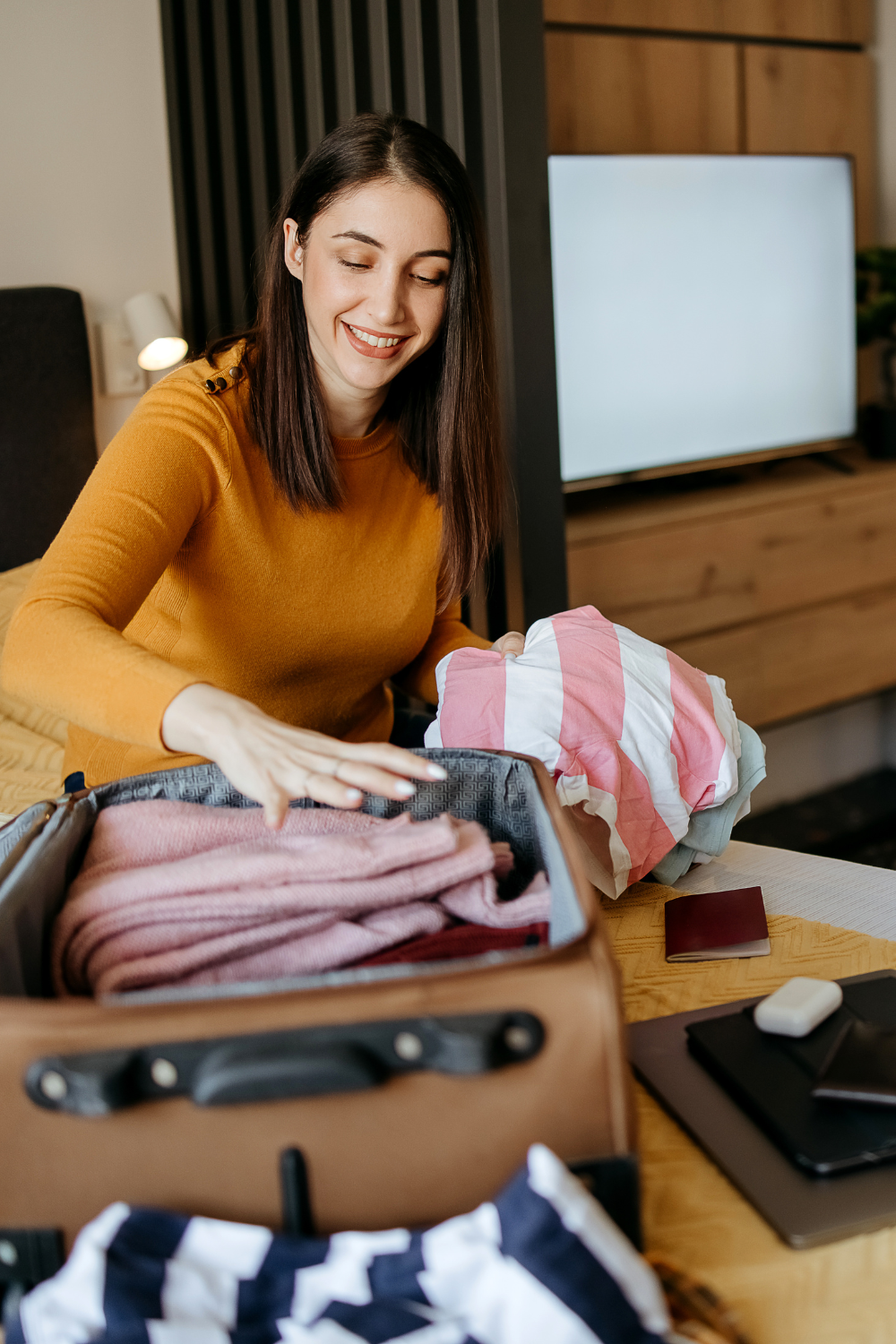
Mavee Travel Guide occasionally includes affiliate links, meaning I may earn a small commission if you book or buy through them — at no extra cost to you. Every brand or service I recommend is one I genuinely trust, use, or truly believe will make your travel experience better.
Packing for a trip to Africa doesn’t have to feel like you’re defusing a bomb or prepping for battle — relax, traveler. Whether you’re off to sip wine in Cape Town, float in that Seychelles turquoise-blue water, or chase dunes that look like Mars in Namibia, I’ve got you. This packing list is smart, simple, and built for real life — covers climate, safety, budget travel, and all the tiny essentials you’ll actually use (not the 27 “just in case” items that end up unpacked and untouched).
And listen… if I say this list is all you need, trust me. It’s coming from someone who hates packing with passion yet still ends up packing for trips like it’s a full-time job.
So relax your shoulders, zip open the suitcase — we’re about to pack like a pro without losing our minds.
The Travel Mindset

Before we start packing — let’s talk travel mindset. Here’s my secret formula, don’t overthink it: Packing = 80% planning + 20% socks.
It simply means that before you even unzip that suitcase, you need clarity. You need to ask yourself these questions and provide clear answers.
Where are you going? (coast, desert, highlands)
How long are you staying?
What’s the vibe — soft life & slow mornings, or “everyday adventure olympics”?
Your answers determine whether you need swimsuits and sundresses… or thermal layers and hiking socks.
And one more thing — stop trying to pack your entire closet.
Oversized luggage = airport sweat + emotional damage + outfits that somehow still don’t match.
Be smart, not dramatic.
Pack with intention, not vibes alone.
Light bag = light spirit. Let’s begin.
Documents, Money & Admin (Non-Negotiable)
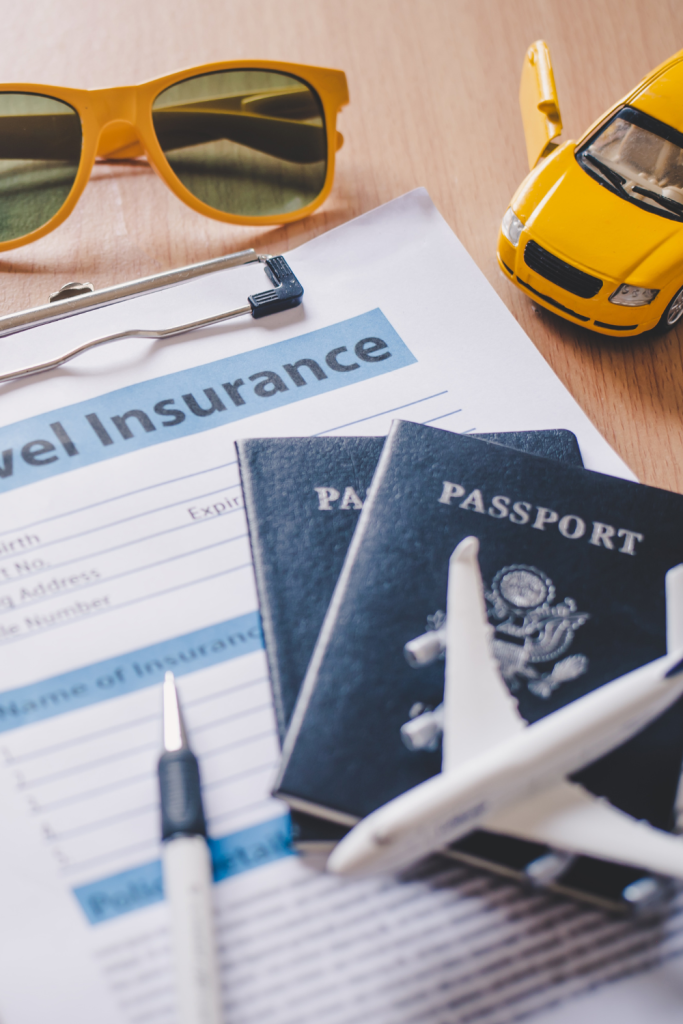
- Passport + photocopies (paper + phone photo).
- Visas & entry rules — check your destination’s requirements early and prepare accordingly.
- Vaccination proof — some African countries require yellow fever certificates for entry; others recommend vaccines. Check official travel health pages before you go in order to avoid disappointments or last-minute rush.
- Insurance & emergency contacts — save scans in your email and offline notes.
- Multiple payment methods: 1–2 credit/debit cards + some local cash. Use a money belt or hidden pouch for passports/money when you’re in crowded markets.
Health & Meds (plan now, not later)
- Vaccines: Hep A is commonly recommended; yellow fever is required or advised for many destinations — check the CDC or national health guidance and plan shots early (some need time to take effect).
- Malaria: If you’re going to malaria zones, bring prophylaxis and a good insect repellent. Ask your travel clinic which anti-malarial suits your itinerary.
- Medicine kit: painkillers, anti-diarrheal, Imodium, rehydration sachets, band-aids, antiseptic, antihistamines, and any prescription meds (with original packaging).
- Don’t forget to put daily meds in a clear pill organizer so you don’t mess up doses while traveling.
Luggage Choices (which bag for which trip)
Let’s start with the thing nobody talks about enough: your luggage choice.
Listen, the bag you pick determines the trip you have. If you pick a massive suitcase, suddenly everything in your closet becomes “essential.” But when you choose wisely, you pack smart — not stressed.
Here’s the cheat sheet I live by:
Carry-on only (7–10 days, minimal vibes):
Go for a 40–45L backpack or a 44–45L soft cabin suitcase.
Travel light, wash as you go, and enjoy the freedom of not wrestling a suitcase across airports.
Checked bag + carry-on (2+ weeks, multiple climates):
Think 60–75L checked suitcase + a 30L daypack.
Use compression cubes — they’re like sorcery. You’ll suddenly feel like a packing genius.
Safari trips (yes, this is a thing):
Choose soft duffel bags. Many safari camps prefer them because they’re easier to load onto small planes.
Also: check weight limits for charter flights — they don’t play.
The goal?
Pack what you’ll actually use, not what your overly optimistic imagination tells you you “might need.”
Light luggage = light mind = free traveler.
Clothing (pack for climate, not for looks)
Africa isn’t one big climate — it’s a whole universe of weather patterns. Just like anywhere else in the world, different regions have their own vibe. So instead of packing like you’re preparing for “Africa”, pack for the specific Africa you’re actually visiting.
Here’s a quick breakdown to help you pack smarter and stress less:
Hot / Coastal Destinations (Cape Verde, Seychelles)
Think sun, breeze, and “where’s the nearest coconut drink?”
Pack:
- Lightweight breathable tops + linen bottoms
- Swimsuit + sarong
- Sun hat + sandals
Light, airy, and cute. The goal is to feel like vacation — not like you’re fighting the sun.
Safari / Arid Destinations (Namibia, parts of Kenya & Tanzania)
You’re here for landscapes, wildlife, and peace of mind.
Pack:
- Neutral colours (khaki, olive, beige) — better for blending in and avoiding tsetse flies
- Long-sleeve shirt (sun + mosquitoes at dusk are not your mates)
- Light jacket for chilly mornings
- Sturdy closed shoes + breathable socks
Avoid bright blue/black — some places say tsetse flies see it as a personal invitation.
Highland / Cooler Destinations (Ethiopia highlands, Rwanda)
Pack:
- Layers: thermal base + fleece + waterproof shell
- Comfortable walking shoes
You’ll thank yourself when the weather switches up on you in five minutes.
My Golden Packing Rules
- 3–4 tops, 2 bottoms per week (mix + match = magic)
- 1 smart outfit for dinners or nights you decide to be mysterious
- A lightweight scarf — it’s a superhero: sun cover, modesty wrap, warmth, accessory
Pack intentionally. Pack confidently. Pack like you know exactly who you are. Because you do.
Footwear
- Light trainers/walking shoes — city days + easy hikes
- Hiking boots (if doing real treks or volcano hikes)
- Sandals for beaches / hostels
- Socks: breathable and one pair twice the others so you can swap
Toiletries & carry-on basics
- Travel-size toiletries in a clear bag — follow security limits for liquids. Rules vary, so check your departure airport; many places still use the 100ml rule.
- Sunscreen (SPF 30+), lip balm with SPF, insect repellent with DEET, hand sanitizer, wet wipes.
- Female-friendly: menstrual products (not always available in rural areas) and a small pouch for discreet disposal.
Tech & electronics
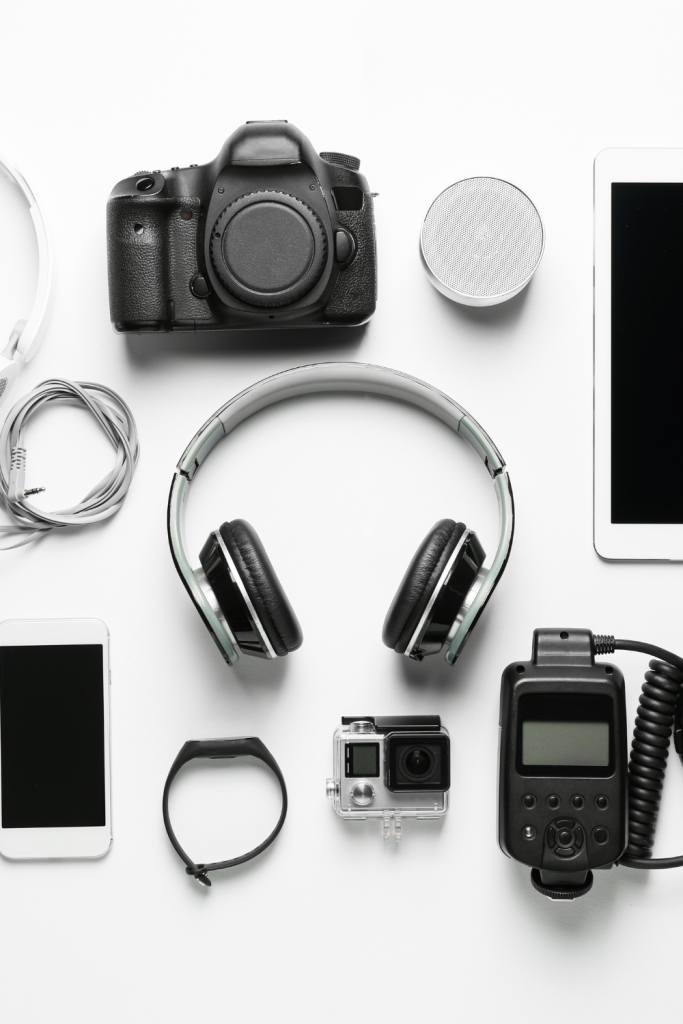
- Universal travel adaptor (Africa uses many plug types and mostly 220–240V). Check the plug type for your countries — a universal adapter is worth it.
- Power bank (20,000 mAh for long days)
- Phone + camera (extra SD cards)
- Headlamp or travel torch — useful for island cottages or power cuts
- Portable Wi-Fi / local SIM — buy local SIM at arrival for data (and to save on roaming)
Safari-specific extra
- Binoculars (compact 8×42 recommended)
- Neutral-colored buff or scarf for dust
- Camera with long lens or phone lens attachments if you want wildlife close-ups.
- Soft duffel for camps and check small aircraft luggage limits. Safari packing tips often recommend neutral clothing and sun protection.
Safety, money & local logistics
- Photocopy important docs and store copies online.
- ATM strategy: withdraw larger sums in safer cities to avoid repeated ATM fees.
- Keep a separate “emergency” card in a different place (hotel safe or hidden pouch) — not in your wallet.
- Use local payment apps where available but carry cash for markets and smaller towns.
Packing hacks — little tricks that save you time & sanity
- Compression / packing cubes — organize by outfit or activity and compress for space.
- Roll, don’t fold — saves space and prevents wrinkles.
- Put shoes in shower caps to keep dirt off clothes.
- Ziploc for wet / dirty laundry — pack a travel sink soap bar for hand washing.
- Wear your bulkiest items on the plane (boots, jacket) to save space.
- Print a “local phrase cheat sheet” (addresses, hotel name in local language) — helpful for taxis.
Sample packing lists
Carry-on only — 7-day coastal trip
- 2x lightweight tees, 1x linen shirt, 2x shorts, 1x swimsuit, 1x sundress, light scarf
- Underwear + 3 pairs socks, flip flops, walking shoes
- Toiletries (travel sizes), sunscreen, meds, passport, phone + charger, power bank, adapter, sunglasses, reusable water bottle
10-day safari & city combo
- Neutral shirt x3, long-sleeve sun shirt x1, trousers x2, shorts x1, fleece jacket, light rain jacket
- Hiking shoes + sandals, wide-brim hat, binoculars, camera, insect repellent, malaria medication
- Basic first-aid, passport, printed itinerary, travel insurance
2-week multi-country (mix of climates)
- Pack layers: base layers, 2 warm layers, waterproof shell, multifunctional scarves
- 1 smart outfit, 2 sturdy day outfits, 1 beach set, shoes: trainers + sandals + boots
- Universal adapter, power bank, SD cards, local SIM plan, medication
What I personally never travel without (Mavee’s carry-on essentials)
- Passport + emergency photocopy
- One set of spare clothes + underwear
- Mini medical kit + daily meds
- Phone charger + power bank
- Hotel address printed & in phone
- Small notebook + pen (for journaling + contacts)
- Lightweight scarf (modesty, warmth, style — multi-use queen)
Final checklist — copy this before you lock the door
- Passport & vaccine certs scanned
- Cash + cards separated
- Local SIM research & adapters packed
- Meds + insect repellent packed
- Luggage weight check (airline limits)
- Print reservations + emergency contacts
- Download offline maps & entertainment for long transfers
Final Conclusion: Travel smart, Travel slow, Travel with soul
Packing for Africa is all about context. The island-affectionate traveler has a different bag than the desert chaser. But the core rules are the same: plan ahead, pack for the climate, mind your health paperwork, protect your tech, and travel light so you can actually enjoy the trip.
When you’re ready to actually book your trip, check out my Travel Resources page for trusted companies I personally recommend for flights, stays, tours, and transportation.
Make your travel planning easier — no overwhelm, just vibes.
Leave a Reply