Mavee Travel Guide occasionally includes affiliate links, meaning I may earn a small commission if you book or buy through them — at no extra cost to you. Every brand or service I recommend is one I genuinely trust, use, or truly believe will make your travel experience better.
Egypt is one of those places that rearranges your sense of time. The Pyramids feel like a whisper from a past that’s still somehow present. The Nile moves like a slow, stubborn highway of history. The sun lights everything in a way your camera will worship.
I haven’t lived in Egypt or been to all my favorite places, but I’ve done the research which includes first-hand information from travel blogs, seasoned solo-female accounts, tour pages, and local tips in order to create a neat, safe, and exciting plan for a week. This guide bundles all of that so you can travel solo with confidence, common sense, and curiosity. Below you’ll find everything important: visas, safety, culture, transport, health must-knows, a 7-day itinerary (Cairo → Luxor → Aswan/Nile), packing list, and practical tips to make your trip smooth and unforgettable. You can also check out my travel resources for trusted and reliable companies for your trip.
Eight Things To Remember
Best time to go: October through April is the sweet spot — pleasant daytime temps for outdoor sites. Summer (May–Sept) gets very hot, especially in Upper Egypt (Luxor/Aswan).
Visa: Most visitors require a tourist visa. Many nationalities can buy a 30-day visa on arrival or obtain an e-visa in advance — do the e-visa if you want less fuss on arrival. Check the official government/e-visa page and your local embassy for up-to-date rules and costs.
Safety: Tourist hubs (Cairo, Luxor, Aswan, Red Sea resorts) are commonly traveled by solo women but require basic vigilance — avoid walking alone at night in sketchy areas and use trusted transport/tours.
Dress & culture: Modest dress is respectful and reduces unwanted attention — shoulders, chest and knees covered in many places; carry a scarf for mosques.
Book reliable tours for key experiences: For the Pyramids, the Valley of the Kings, and any desert or Nubian experiences, choose reputable operators and consider guided group options to reduce stress and increase safety.
Phone & connectivity: Get a local SIM at the airport (Vodafone, Orange, Etisalat) for maps, rides, and quick calls. This makes solo travel a lot calmer.
Vaccines & health: Routine vaccines are recommended; Hep A and Typhoid are commonly suggested for travel to Egypt. Travel insurance is strongly advised (medical + evacuation). Drink bottled water in many places; avoid uncooked street food if you have a sensitive stomach.
Money: Egyptian Pound (EGP) is local currency. Cash is useful for small purchases and tips; cards work in hotels, bigger restaurants, and many shops. ATMs are widely available in cities. Tipping (baksheesh) is common — small tips for guides, drivers, and service staff are expected.
How to Get Around
- International flights: Fly into Cairo (CAI) for the classic start. Sharm el-Sheikh and Hurghada serve the Red Sea resorts; Luxor and Aswan have domestic airports for Nile access
- Domestic flights: Cairo→Luxor or Cairo→Aswan flights are quick and save time; book reputable carriers and check baggage rules.
- Trains: Overnight trains (sleeper) run between Cairo and Aswan/Luxor — an adventurous option if you like railway travel.
- Nile cruises: A classic way to travel between Luxor and Aswan — available as 3-4 night cruises; many solo travelers join group cabins or day tours in each city. Book from reputable providers or through your hotel/tour desk.
- Taxis & ride apps: Use official taxis, pre-booked hotel transfers, or ride apps (where available). Don’t accept offers from random drivers at sites unless pre-arranged through your accommodation.
- Check my travel resources for reliable and trusted companies for transportation, cheaper flights and car rentals.
7-Day Solo-Female Itinerary
This is a compact, doable week that balances must-see history with breathing room and mindful solo travel choices.
Day 0 — Arrival in Cairo
- Land, get your visa/e-visa sorted (if you didn’t pre-arrange), buy a local SIM at the airport, and transfer to a centrally located hotel in Zamalek or Downtown. Rest and hydrate.
- Evening: a gentle walk near your hotel, an early dinner, and an early bedtime to beat jet lag. (Safety tip: arrange a hotel transfer or airport taxi through your hotel.)
Day 1 — Pyramids of Giza + Egyptian Museum
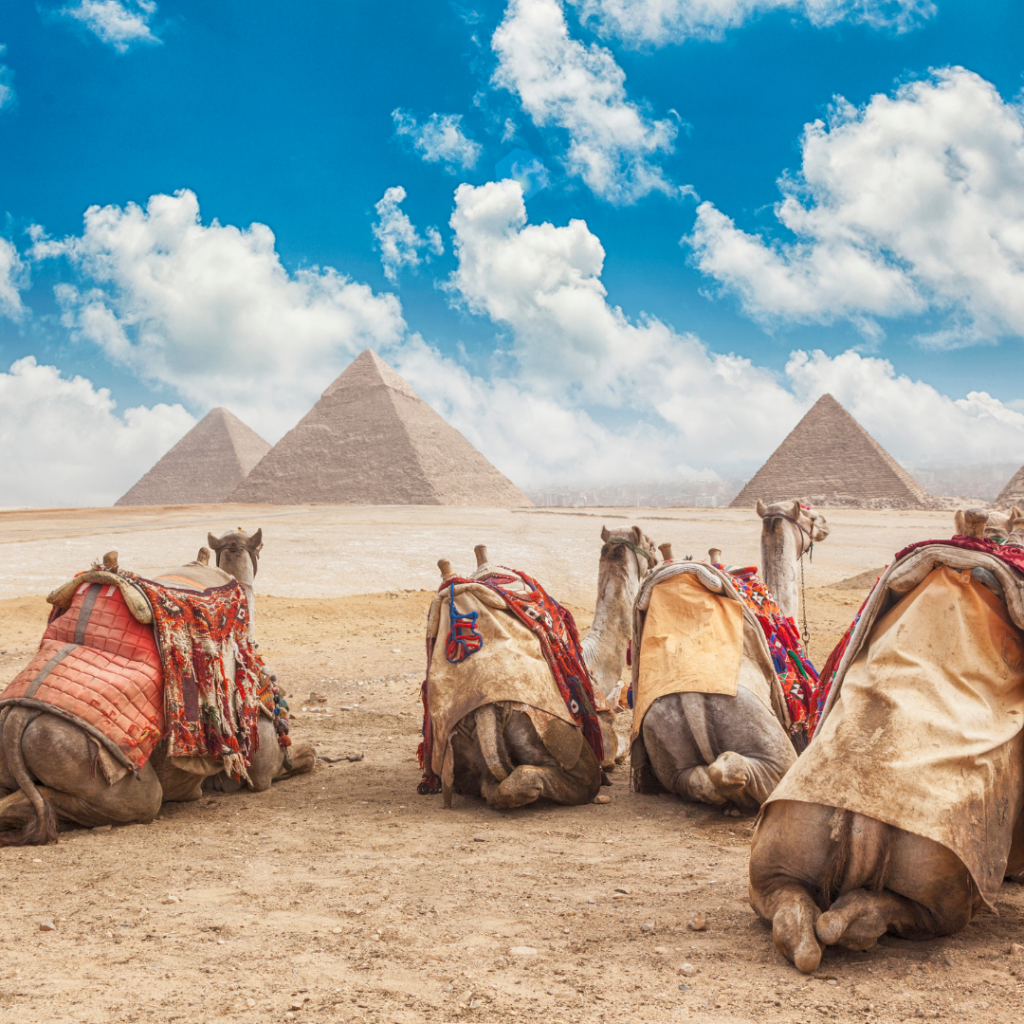
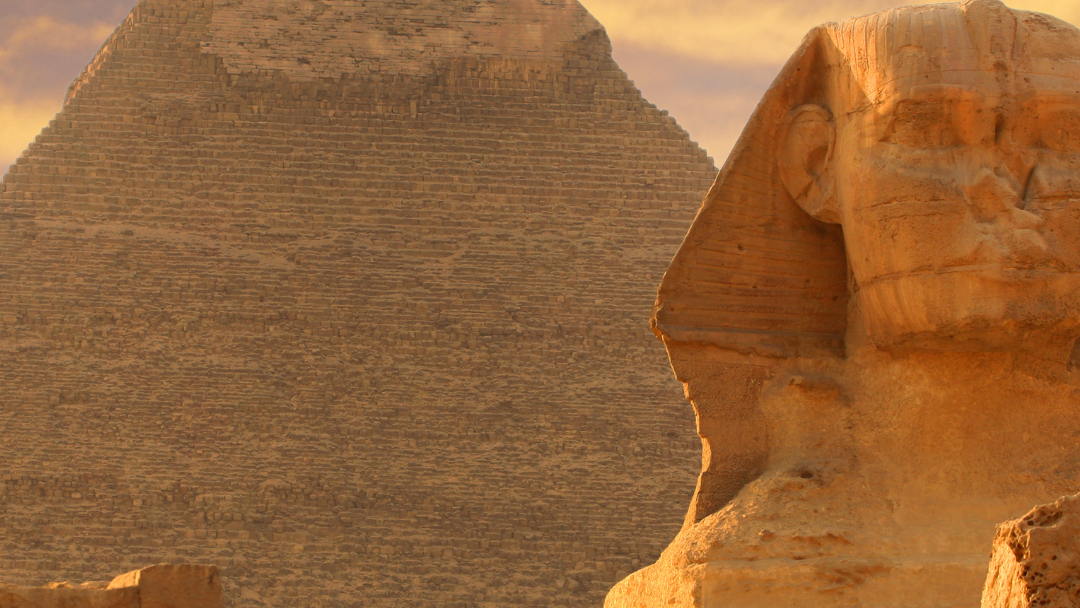
- Morning: Pyramids of Giza — get there early to avoid heat and crowds. Hire a reputable guide through your hotel or a certified operator (helps with navigation and context).
- Afternoon: Egyptian Museum (Tahrir) — if you’re a museum person, this is a treasure trove (new Grand Egyptian Museum exhibits may shift plans — check current openings).
- Evening: stroll Khan el-Khalili bazaar (stick to busy main lanes, be firm with vendors). Tip: dress modestly.
Day 2 — Islamic Cairo + flight to Luxor
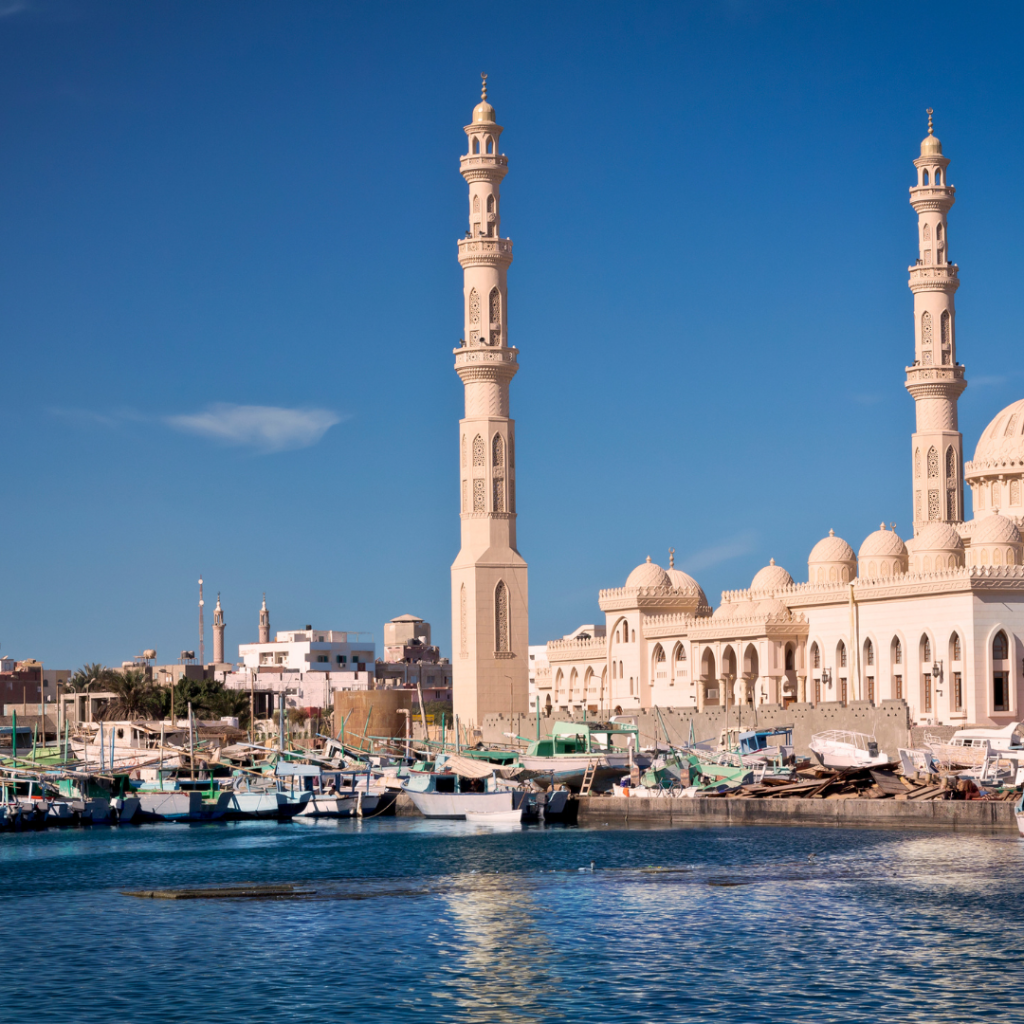
- Morning: explore Islamic Cairo — Al-Muizz street, old mosques (carry a scarf for mosque entry).
- Afternoon: fly to Luxor (book morning/early afternoon flight). Check into your hotel; rest.
- Evening: Nile sunset stroll or a relaxed felucca ride if available (booked through hotel).
Day 3 — Luxor East Bank (Karnak & Luxor Temples)
- Morning: Karnak Temple complex.
- Afternoon: Luxor Temple. Take breaks — the heat can be intense. Stay hydrated and keep your valuables secure.
- Night: optional light-and-sound show at Karnak. Great photo opportunities in soft light.
Day 4 — West Bank (Valley of the Kings, Hatshepsut, Colossi of Memnon)
- Spend the day on the West Bank: Valley of the Kings (enter a few tombs — Tutankhamun’s burial chamber is a highlight), visit Hatshepsut’s Temple, and the Colossi. Book a guided tour or a trusted taxi/driver for the day.
- Evening: overnight in Luxor or board a Nile cruise to Aswan (if your schedule allows for a 3-4 night cruise, rearrange days accordingly).
Day 5 — Travel to Aswan (or continue Nile cruise)
- If by road/flight: transfer to Aswan (or sail if on Nile cruise). In Aswan, visit the Philae Temple (island temple) and the Nubian Museum. Enjoy a Nubian village visit if you want cultural immersion — go with a guide.
- Evening: relax by the Nile — Aswan evenings are calm and beautiful.
Day 6 — Abu Simbel day trip (optional) or local Aswan sites
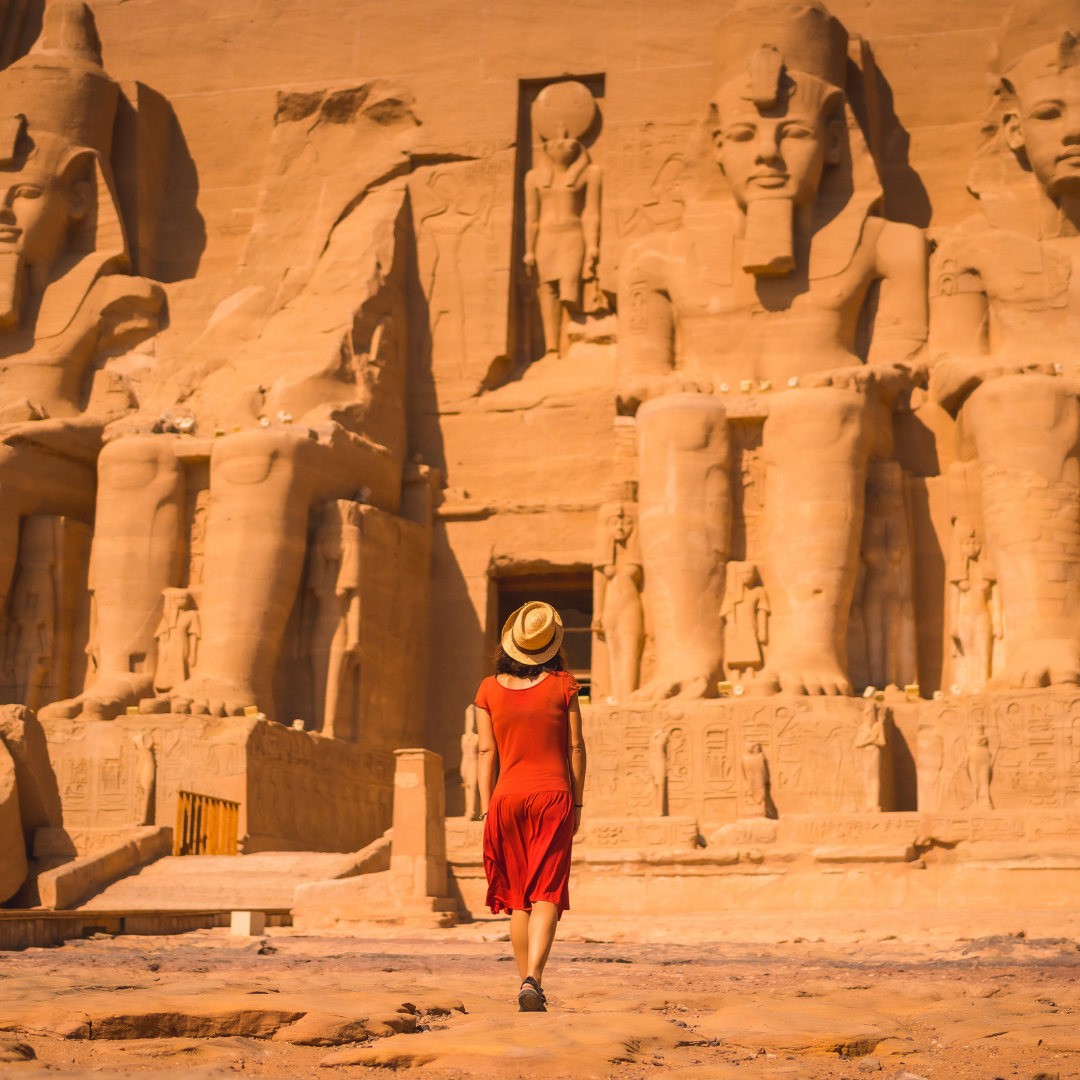
- Abu Simbel is a long day, but iconic — flying round trip from Aswan or a long bus trip are the options. Many solo travelers join a small group tour for safety and logistics. If Abu Simbel is too much, explore Aswan’s markets and take a camel or boat ride at sunset.
Day 7 — Return to Cairo (or head to Red Sea)
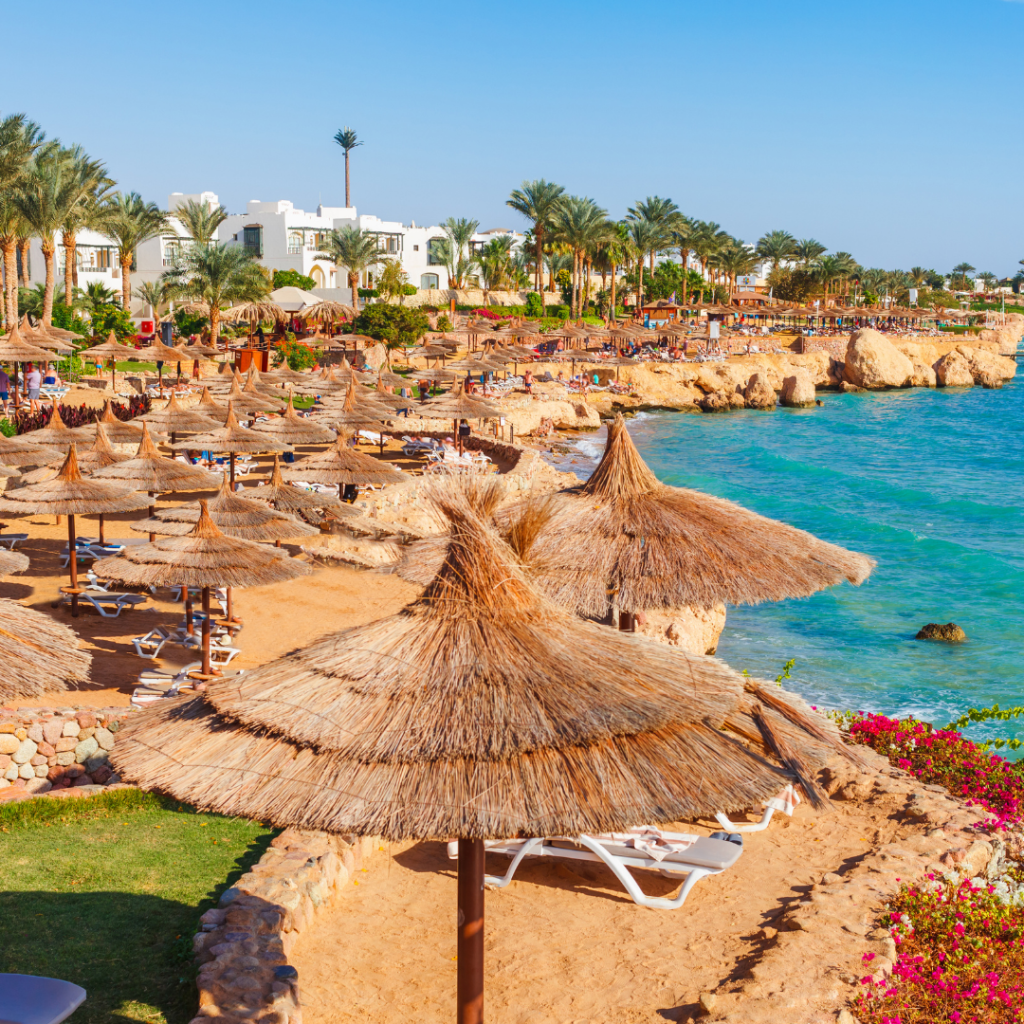
- Fly back to Cairo for your international departure, or if you prefer beach time, transfer to Hurghada/Sharm el-Sheikh for a few days of diving and rest. Wrap up with a final Egyptian meal and your favorite photos.
Where to Stay
- Cairo: Zamalek (calmer, island vibe), Downtown (central, closer to museums), Garden City for quieter luxury.
- Luxor: East Bank hotels near the Nile (easy to access sunrise activities).
- Aswan: Corniche area for Nile views and safe hotel options.
Choose centrally located, well-reviewed places with 24/7 reception — that one small decision makes solo nights easier. Check my travel resources for accommodation recommendations from trusted and reliable companies.
Packing List
- Lightweight long skirts/pants and long-sleeve tops (breathable fabrics) — modesty + sun protection.
- Scarf (for mosques and sun/shade).
- Comfortable walking shoes and sandals.
- Sunglasses, wide-brim hat, high SPF sunscreen.
- Refillable water bottle + electrolyte sachets.
- Portable charger, plug adapter, photocopies of passport and emergency contacts.
- Small money belt or neck wallet, basic first-aid kit, hand sanitizer.
- Lightweight daypack that closes securely.
Travel Tips
- Use structure: Book your first night, and at least your first transfer. It reduces stress.
- Guided group activities = social + safe: Joining group tours for Valley of the Kings, Abu Simbel, and desert trips reduces hassle and increases local insight.
- Learn brief Arabic phrases: “Shukran” (thank you), “La” (no), “Kam?” (how much?) — small phrases go a long way.
- Deal with persistent vendors politely but firmly. A simple “la, shukran” and walking away works.
- Avoid political discussions & protests. Keep your head down in public demonstrations.
Common Scams & How to Avoid Them
- Over-friendly taxi drivers: Agree price up front or use metered/official rides or apps.
- Fake guides at Pyramids or sites: Only hire guides through your hotel or officially licensed guides.
- “Closed today” trick: Keep a list of operator numbers and check official times; ask your hotel if a site is truly closed.
Solo Budget Estimate
- Mid-range daily: $50–$120/day depending on hotels, internal flights, guides, and dining. Nile cruises and private day trips add cost. Always budget a buffer for tipping, small tours, and entry fees.
Photography & Cultural Respect
- Ask before photographing people — especially in rural or conservative areas. Don’t photograph military/police. Cover shoulders and knees when visiting religious sites.
Egypt is loud with history and patient with wonder. Solo travel here rewards curiosity, structure, and a good pair of walking shoes. If you travel with respect for local codes, a couple of practical steps, and a sense of humor, you’ll have one of those trips that rewires the way you tell stories. Book the guided day for the Pyramids, take the felucca at sunset, and savor the silence inside a tomb. It’s dramatic, it’s humbling, and it’s absolutely worth the planning.
Travel Resources
Accommodation:
Bookings and Errands: Reliable and trusted for Apartments, Car Rentals and Errand Services across Nigeria, Kenya, South Africa, and Ghana.
Hostelworld: Trusted for Hostels across Africa countries.
Booking.com: Trusted for Hotels, Apartments and Resorts across Africa.
Flights:
Aviasales: is my go-to for cheap flights. It’s a smart flight search engine that scans hundreds of airlines and agencies in one place, lets you compare flexible dates to find the lowest fares, and even sets price alerts so you know when ticket costs drop — perfect if you want to travel smarter and save money.
Transfers & Airport Services:
DiscoverCars: It scans hundreds of rental agencies worldwide, shows competitive prices and coverage options in one place.
Welcome Pickups: Start your trip stress-free with a friendly driver waiting for you at the airport.
GetRentacar : lets you book exact cars from local owners and rental companies worldwide, often at up to 50% off.
Travel Insurance
VisitorsCoverage : It lets you compare trusted insurance plans in one place, choose coverage that fits your trip and budget, and buy easily online.
Insubuy: Your go-to for comparing travel insurance plans, making it easy to find coverage that fits your trip and budget.
Tours Companies
GetYourGuide: Great for last-minute activities and flexible tickets, making it easy to plan on the go.
Viator: Perfect for booking unique tours and experiences, especially if you want local guides who know the hidden gems.
Expedia: Perfect for booking everything in one spot—flights, hotels, cars, even activities.


Leave a Reply