Mavee Travel Guide occasionally includes affiliate links, meaning I may earn a small commission if you book or buy through them — at no extra cost to you. Every brand or service I recommend is one I genuinely trust, use, or truly believe will make your travel experience better.
Namibia is easily one of my favorite countries — those endless sand dunes, the raw landscapes, the little hotspots that feel like nature showing off… it’s a whole mood. So I pulled together everything you actually need to know before you go: safety tips, health essentials, transport options, cultural insights, and a realistic 7-day itinerary that lets you see the best of the country without turning your trip into a full-time car residency.
Effortless, practical, and adventure-ready — just how we like it.
Facts You Need To Know Before Visiting Namibia
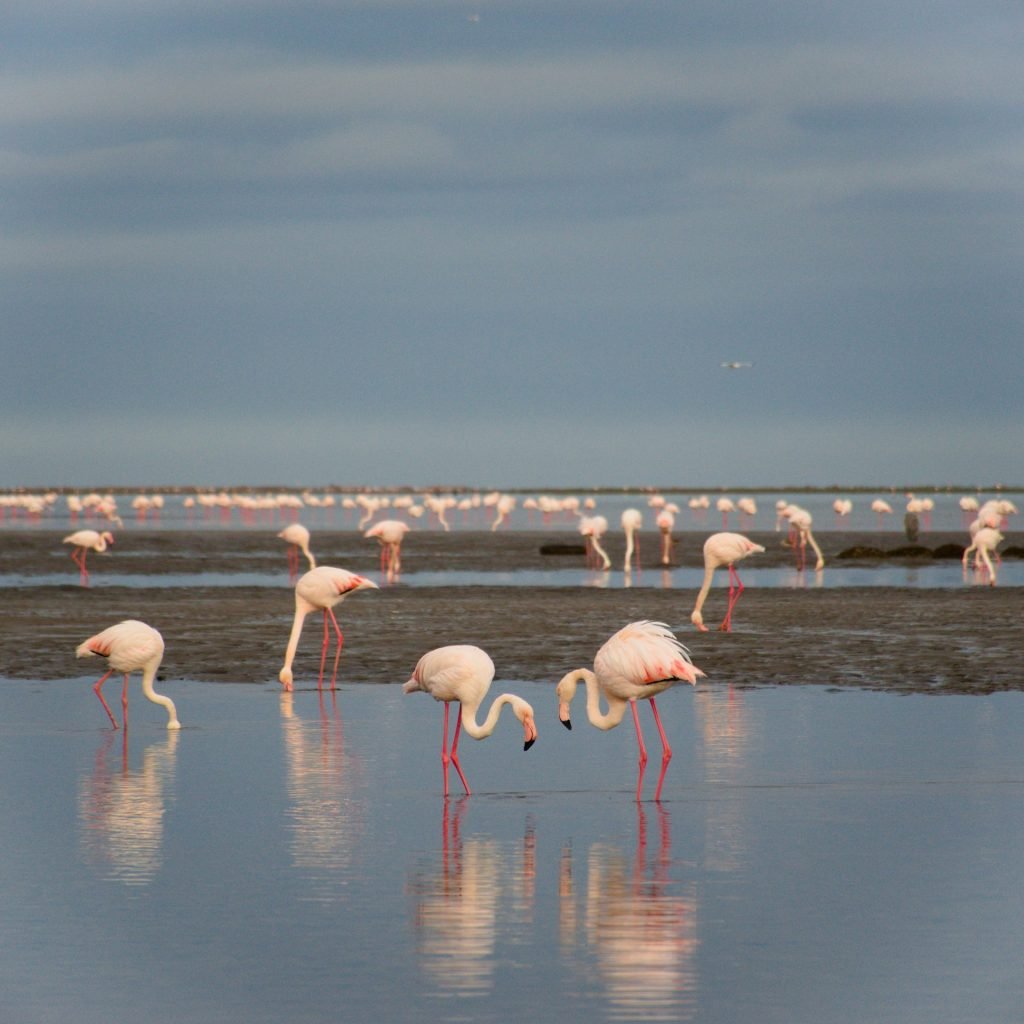
Best time to go: May–October (dry season) — great for wildlife viewing and clearer skies; expect chilly nights in winter and very hot days in late spring.
Vaccines & health: No routine vaccines are mandated for travellers from most countries, but check Yellow Fever rules if you’re transiting from affected countries. Basic travel vaccines (tetanus, hepatitis A) and malaria precautions in the north may apply depending on your route. Check the CDC for current health guidance before you go.
Safety for solo women: Namibia is generally considered safe for solo travellers but exercise usual caution — keep valuables out of sight, avoid walking alone after dark, and use reputable operators for remote activities. Many solo women travel here confidently by planning ahead and using trusted tours when needed.
Why Namibia Works For Solo Female Travelers
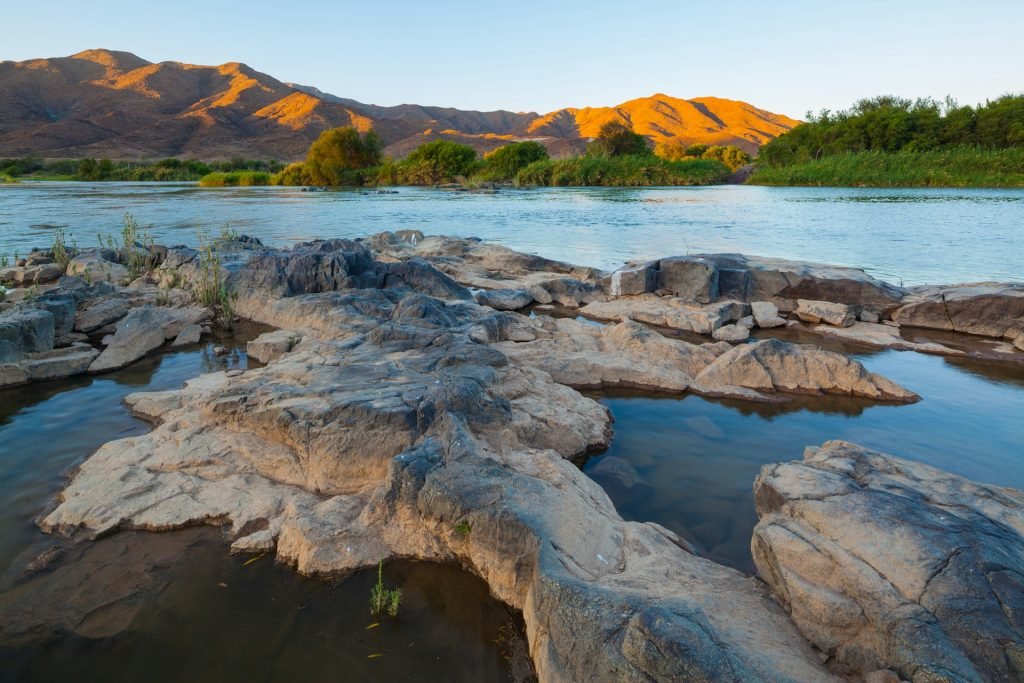
Namibia is vast, quiet, photogenic, and safe enough when you plan smart. It rewards planning: think epic dunes, lonely gravel roads, coastal fog, and wide, open space. Solo female travellers love the clarity — you can go slow, meet backpackers in hostels, or join guided days for more remote bits. If you like bold landscapes and uncomplicated culture, this place is a love letter to your camera and your calm brain.
Paperwork, Money & Connectivity
Visa: Varies by nationality. Many nationals can get visa-free entry for short stays; always check your country’s embassy page or the UK foreign advice page for specifics.
Currency: Namibian dollar (NAD), but South African rand (ZAR) is widely accepted. Carry some cash for remote areas — ATMs exist in cities but not everywhere.
SIM & data: Buy a local SIM at Windhoek or the airport (Vodacom/MTC). You’ll want data for maps and rides in bigger towns.
Budget: Namibia isn’t ultra-cheap — expect midrange prices for lodges and tours. Self-drive and camping can lower costs; guided packages add convenience (and cost). Check my travel resources for accommodation, car rentals, travel insurance, and tours.
Health & Safety
Vaccinations: Check CDC and local guidance for the latest shot recommendations. Yellow fever rules apply only if you’ve recently been in risk countries. Bring a basic travel first-aid kit.
Malaria: Low risk in southern Namibia; higher risk in some northern areas — check regionally.
Wildlife & parks: Respect rules. Don’t leave vehicles in closed areas or approach animals. If you plan a self-drive in Etosha, follow gate times and carry water.
Emergency planning: Have embassy numbers, a local SIM, and at least one trusted company’s contact for road or medical help.
Getting Around: Self-Drive vs Guided
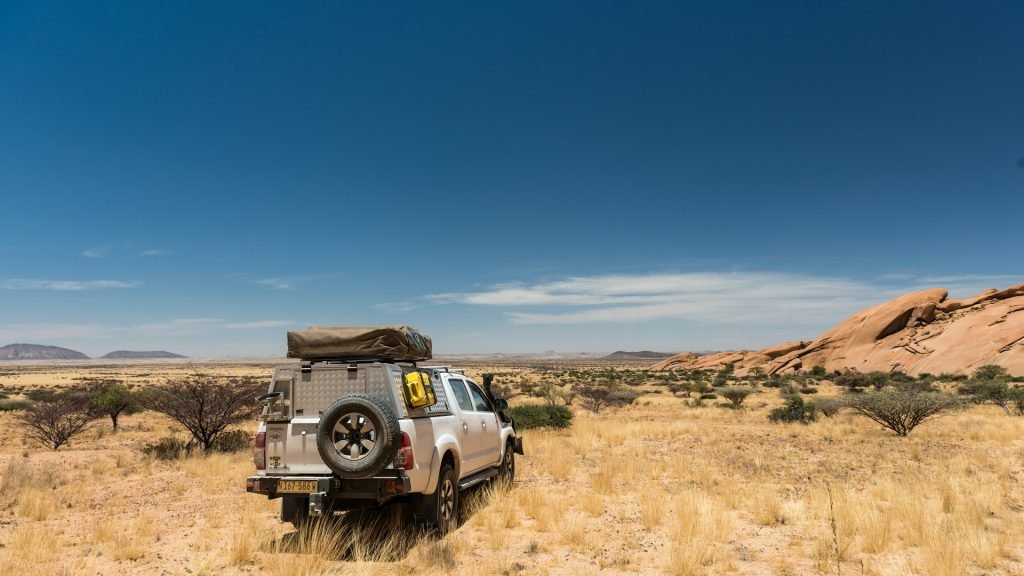
Self-drive: The classic Namibian choice. Gravel roads, long distances — but stunning independence. Hire a 4×4 for rough routes, and don’t drive at night. Make sure your rental includes roadside support and extra spare tires. Self-driving is amazing, but respect the distances and remoteness.
Guided tours / day trips: Great for dunes, remote areas, and when wildlife conditions are uncertain. Combine self-drive with guided legs (e.g., Sossusvlei sunrise tour, Swakopmund sandboard/quad combo)
Internal flights: Useful to save time if you want to jump between regions (e.g., Windhoek → Etosha area), but add cost.
Public transport: Limited. For short hops inside towns use taxi or arranged airport transfers; for route travel, look into tourist buses or organized transfers.
For your car rentals and tours, check out my travel resources for trusted and reliable companies.
What To Pack
- Sturdy layers (desert days hot, nights cold)
- Sun hat, SPF, sunglasses (desert sun is ruthless)
- Good walking shoes + sandals
- Refillable water bottle (bring water wherever possible)
- Portable charger + local SIM + plug adapter
- Small first aid kit, hand sanitizer, blister care
- Copies of passport, travel insurance details, emergency contacts
- Lightweight scarf (sand + sun protection)
Cultural Tips & Etiquette
- English is widely used; learning a few Khoekhoegowab/Herero/aforementioned Namibian phrases shows respect.
- Ask before photographing people in rural areas.
- Tipping: appreciated for guides and lodge staff — check local customs.
- Keep respectful distance when visiting communities; book cultural tours through local operators.
Safety Tips for Solo Women
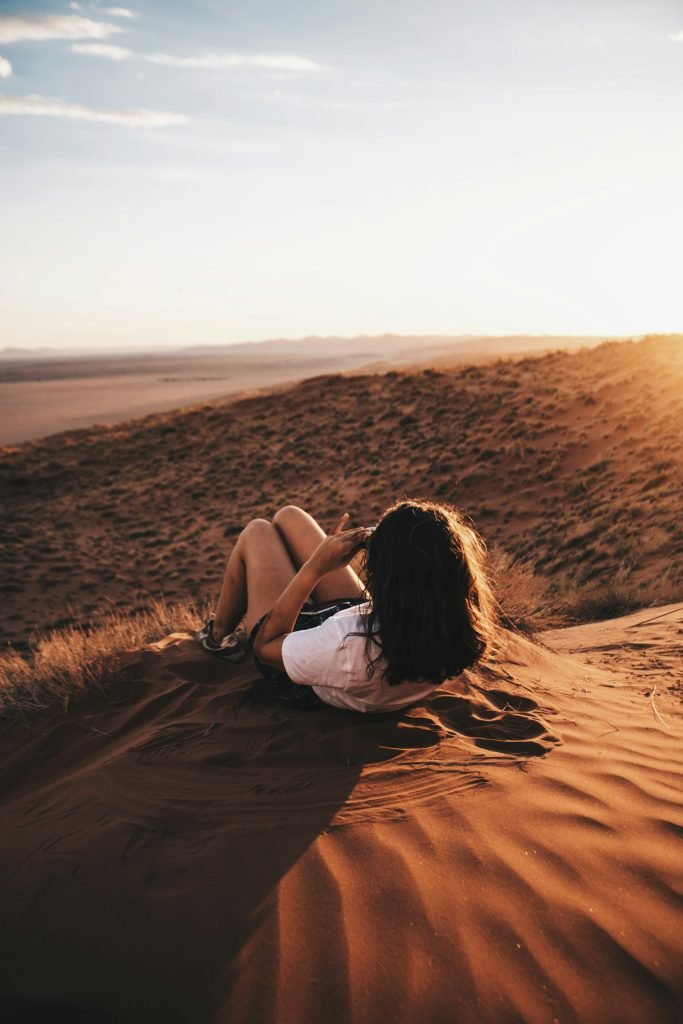
- Book your first night in Windhoek at a well-reviewed hotel; arrange airport pickup.
- Avoid walking alone in poorly lit or empty areas at night.
- Let someone know your daily plan when you’re heading into remote regions.
- Use local, reputable operators for activities like sand-boarding or wildlife walks.
- Join hostel common areas or group day tours to meet other travelers if you want company.
Solo Female 7-Day Namibia Itinerary
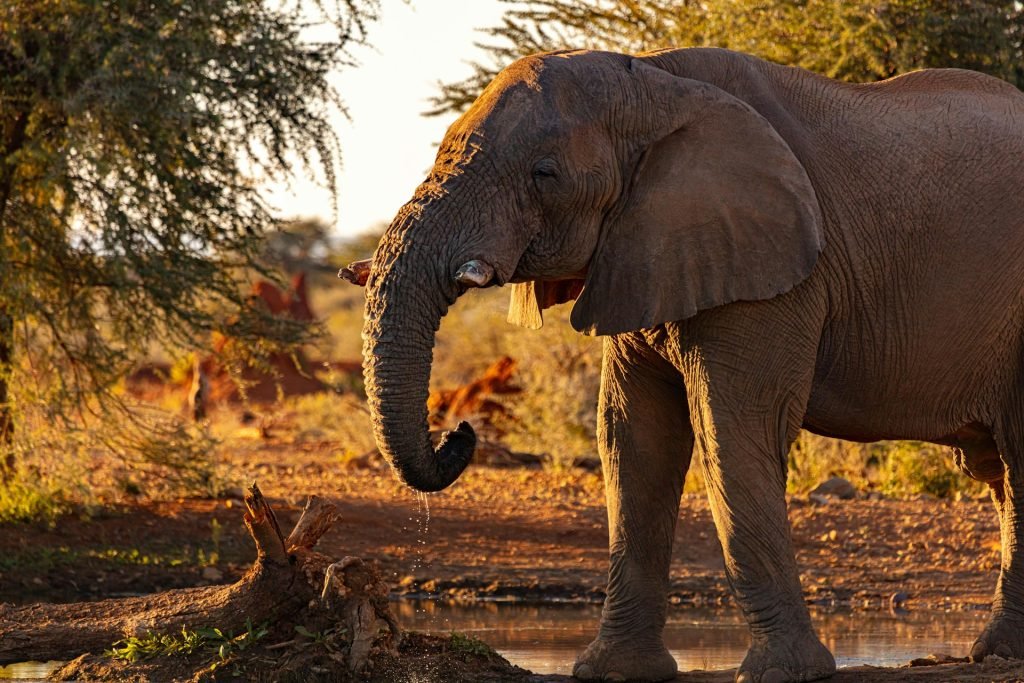
This plan balances “wow” moments with doable daily driving and a few guided activities so you don’t have to sleep at the wheel.
Day 1 — Arrive Windhoek
Land, swap to local SIM, pick up any final supplies (water, snacks), and check into a safe, central guesthouse or hotel. Check my travel resources for trusted accommodation companies.
Walk around the promenade, grab a simple dinner, and rest up for the road.
Why: Windhoek is your logistical hub — don’t rush your arrival.
Day 2 — Drive to Sossusvlei / Sesriem (4–5 hrs)
Early morning drive south to the Namib Desert region. Settle into your lodge/camp near Sesriem.
If time allows, visit Sesriem Canyon for sunset.
Tip: Book a guided sunrise Sossusvlei tour for Day 3. Roads are long but scenic; fuel up.
Day 3 — Sossusvlei dawn: dune sunrise + Deadvlei
Pre-dawn tour to climb (or photograph) Big Daddy and walk Deadvlei. The light here is unreal — photographer heaven.
Afternoon: rest or short hike near the lodge.
Why: Sunrise at Sossusvlei is the signature Namib moment — don’t skip it.
Day 4 — Head to Walvis Bay / Swakopmund (coast) (~4–5 hrs)
Drive out of the desert toward the coast; watch the landscape shift from red dunes to Atlantic fog.
Evening in Swakopmund: seaside stroll and seafood dinner.
Why: The desert-meets-ocean contrast is one of Namibia’s coolest moods.
Day 5 — Swakopmund adventure day
Choose a guided activity: quad biking + sand-boarding combo, coastal boat trip to see seals and dolphins, or cultural town walk.
Relax at a café in the evening. Swakopmund is also a good place to meet other travellers.
Day 6 — Head north to Damaraland / Spitzkoppe
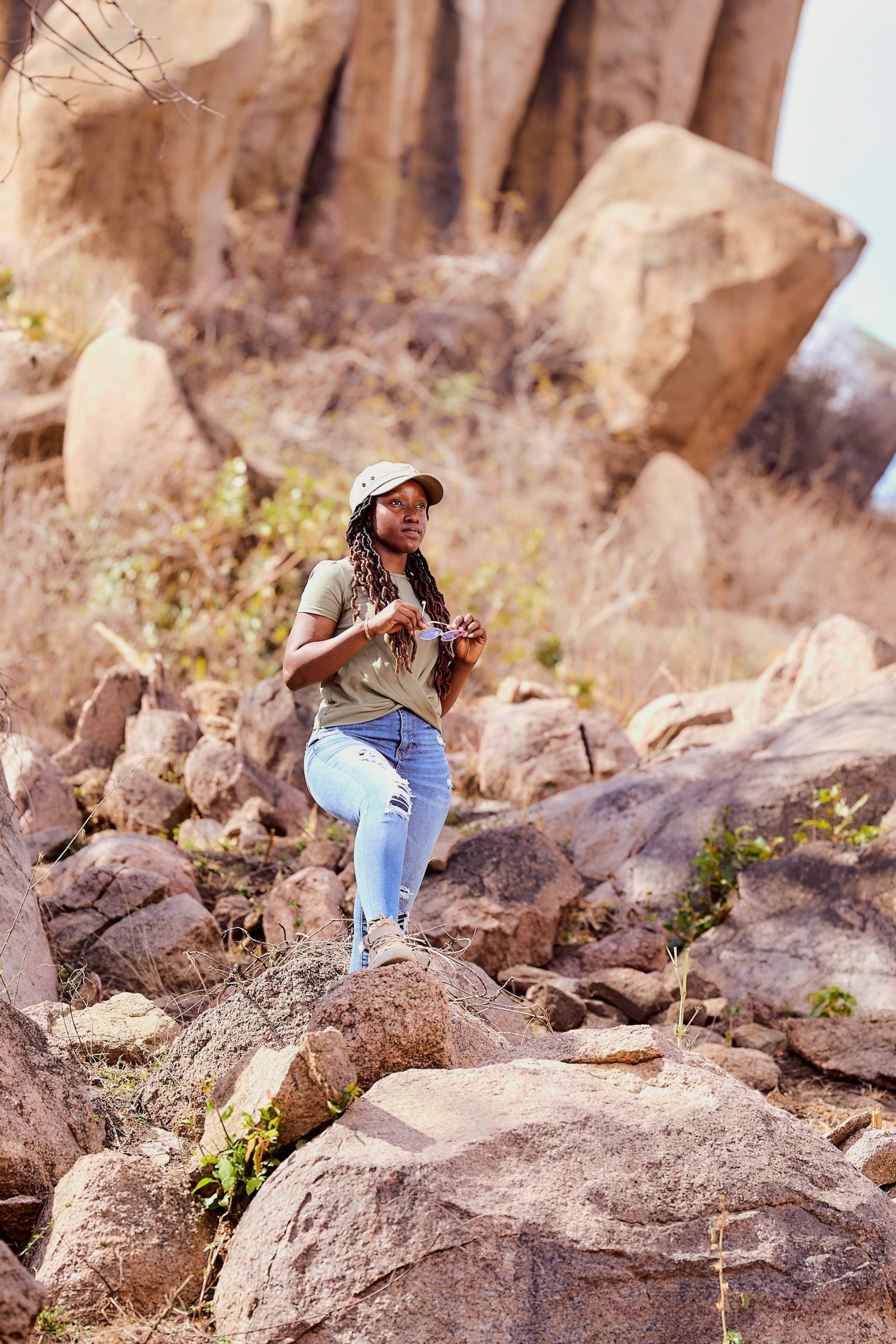
Option A (Damaraland & Spitzkoppe): Explore dramatic granite peaks, rock art sites, and stark landscapes. Great for slow hikes and photography.
Option B (Etosha focus): If wildlife is your main goal and you can fly or commit to longer driving, head to the Etosha area for game drives (check current fire/park status first).
Day 7 — Windhoek return or Etosha half-day + depart
Drive or fly back to Windhoek depending on your route. Last souvenir shopping, final local meal, and airport transfer.
If you’re leaving from Windhoek later or continuing, use this day to buffer travel delays.
Alternatives:
Fast & focused (wildlife): Spend more days in Etosha and skip Swakopmund/Sossusvlei — ideal if safari is the priority (book guided game drives).
Slow & scenic (desert lovers): Add an extra night in Sossusvlei or Damaraland for deeper exploration.
Snake-free option: If long drives stress you, consider internal flights and local guided tours linking major sights.
Where to Stay
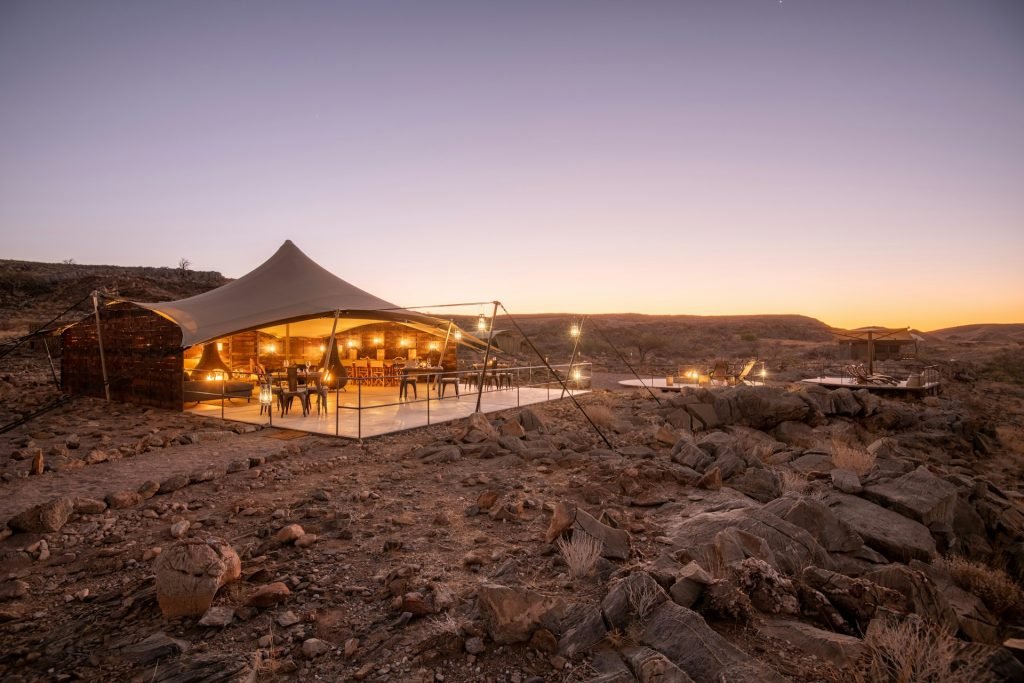
Windhoek: midrange hotels/guesthouses with airport shuttles.
Sossusvlei: lodges near Sesriem (book sunrise tour included).
Swakopmund: beach lodges and backpacker hostels (social, safe).
Damaraland/Etosha: camps/lodges — inside-park camps in Etosha are excellent for early-morning game drives.
Photo Spots
Sossusvlei at sunrise — the early wake-up pays off.
Deadvlei — the bleached trees against orange sand are iconic.
Skeleton Coast viewpoints — shipwreck silhouettes and roaring surf.
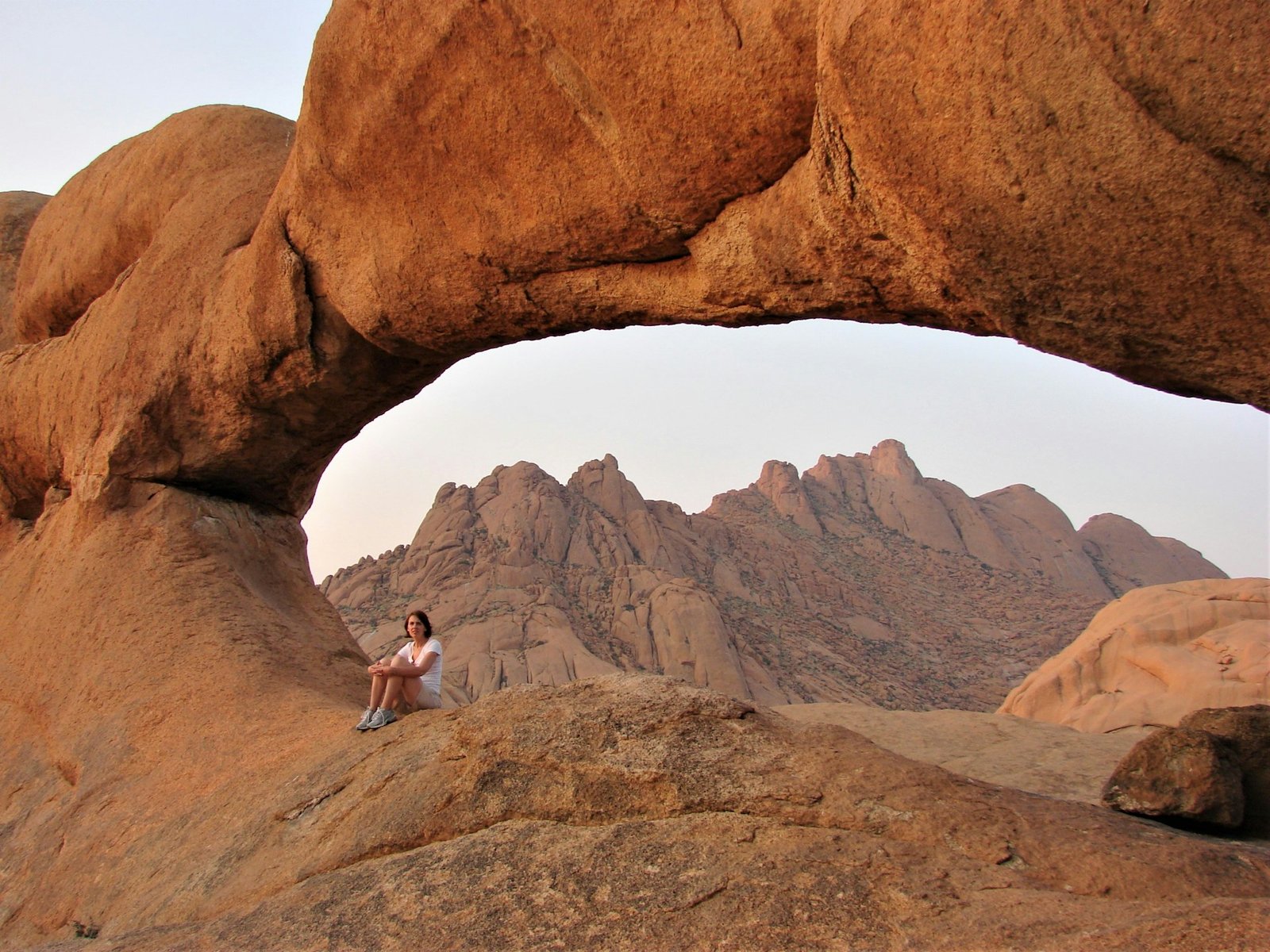
Spitzkoppe at golden hour — granite arches and lonely geology.
Etosha waterholes at sunset — game congregates for dramatic wildlife shots.
Final Solo-Traveler Checklist
- Local SIM + power bank
- Printed itinerary + emergency contacts
- Travel insurance with medical evacuation
- Confirm park and activity bookings, check Etosha updates
- Let someone know your route and check-in schedule
Namibia rewards the prepared and the curious. It’s big, it’s subtle, and it’s photogenic in a way that hits your chest. Solo travel here works best when you balance independence and a little local help: hire guides for wild bits, join day tours if you want company, and treat long drives with respect.
Travel Resources
Accommodation:
Bookings and Errands: Reliable and trusted for Apartments, Car Rentals and Errand Services across Nigeria, Kenya, South Africa, and Ghana.
Hostelworld: Trusted for Hostels across Africa countries.
Booking.com: Trusted for Hotels, Apartments and Resorts across Africa.
Flights:
Aviasales: is my go-to for cheap flights. It’s a smart flight search engine that scans hundreds of airlines and agencies in one place, lets you compare flexible dates to find the lowest fares, and even sets price alerts so you know when ticket costs drop — perfect if you want to travel smarter and save money.
Transfers & Airport Services:
DiscoverCars: It scans hundreds of rental agencies worldwide, shows competitive prices and coverage options in one place.
Welcome Pickups: Start your trip stress-free with a friendly driver waiting for you at the airport.
GetRentacar : lets you book exact cars from local owners and rental companies worldwide, often at up to 50% off.
Travel Insurance
VisitorsCoverage : It lets you compare trusted insurance plans in one place, choose coverage that fits your trip and budget, and buy easily online.
Insubuy: Your go-to for comparing travel insurance plans, making it easy to find coverage that fits your trip and budget.
Tours Companies
GetYourGuide: Great for last-minute activities and flexible tickets, making it easy to plan on the go.
Viator: Perfect for booking unique tours and experiences, especially if you want local guides who know the hidden gems.
Expedia: Perfect for booking everything in one spot—flights, hotels, cars, even activities.


Leave a Reply