Mavee Travel Guide occasionally includes affiliate links, meaning I may earn a small commission if you book or buy through them — at no extra cost to you. Every brand or service I recommend is one I genuinely trust, use, or truly believe will make your travel experience better.
There’s so much more to Africa than wildlife and safaris — like, so much more. Don’t get me wrong, the safari experience is stunning and magical, but Africa isn’t a one-lane destination. We’ve got depth, flavor, history, and scenery that stretches far beyond what the world thinks it knows. And if you’ve ever found yourself thinking, “I want European vibes…but in Africa,” well, I’ve got you. Because here’s the truth: Africa is full of places that give European elegance — cobblestone streets, vineyard mornings, pastel coastal towns, mountain villages — but with African warmth, culture, and soul woven into every moment. These destinations feel like Europe, but they’re rooted in home. So if you’re building your 2026 travel list and you’re ready to explore beyond the obvious, add these six places. They’re giving European aesthetic, African authenticity, and main-character energy. And yes — there’s still enough time this year to make one (or all) of them happen if you want to explore in 2025.
Franschhoek, South Africa
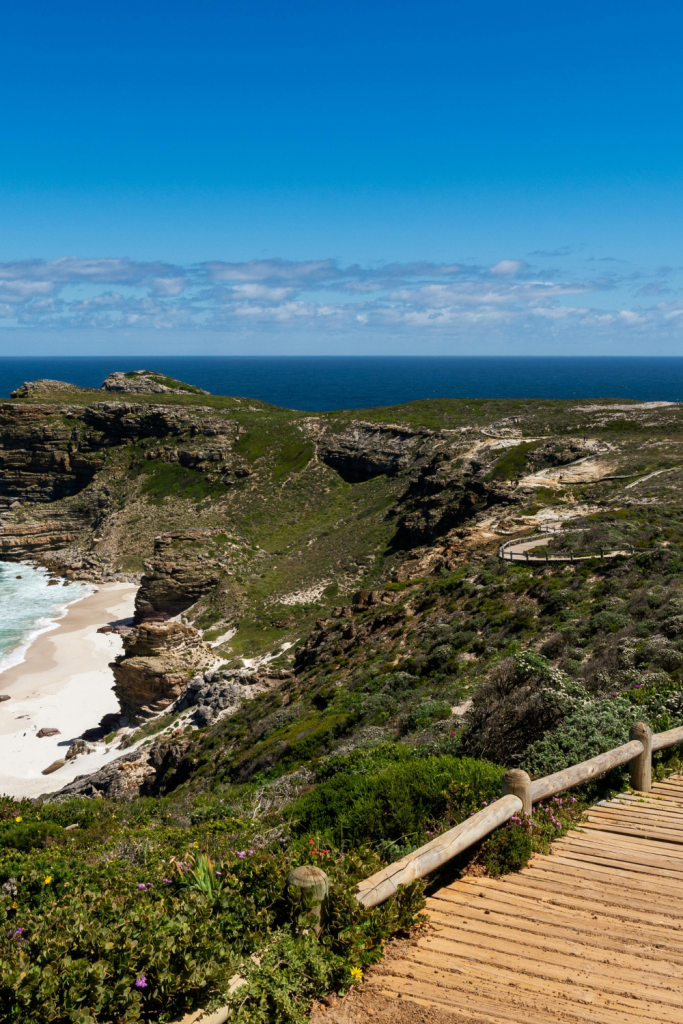
If South Africa had a European summer twin, it would absolutely be Franschhoek — a quiet, charming valley wrapped in enchanting vineyards, misty mountains, boutique cafés, and vintage wine trams sliding between estates like a scene from an old French countryside film. The town doesn’t just hint at Europe — it owns the nickname “The French Corner” with its architecture, food, and that effortlessly romantic energy that screams Provence vibes with a South African soul.
Here, life moves slow — on purpose. Picture picnic blankets under giant oak trees, long lazy lunches with a glass of champagne in hand, and strolls along streets lined with art galleries and flower-draped verandas. It’s giving sophisticated but relaxed, fancy yet friendly — like soft luxury without the attitude. Franschhoek has this way of making you feel like you’ve stepped into a European dream without even leaving Africa.
The Franschhoek Wine Tram is a non-negotiable. Honestly, it’s one of the top experiences I’m bookmarking for my trip. It’s affordable ($15–$20), fun, and perfect whether you’re solo or rolling deep with friends. You hop on and off between vineyards, taste world-class wines, and soak in scenery that looks like a desktop wallpaper. Meals sit around $10–$35 depending on where you eat, and accommodation ranges from cozy guesthouses ($35–$60) to full-blown luxury farm stays ($180+).
Whether you’re a wine lover or simply there for the aesthetic (no shame, we all love a cute moment), Franschhoek gives main character energy. It’s safe, walkable, and perfect for journaling, people-watching, introspection, and indulging in quiet luxury.
My favorite part? That moment when the tram slows down and the view matches exactly what you imagined in your Pinterest-inspired daydreams — proof that Africa can give you that soft European escape, with twice the soul.
Clarens, South Africa
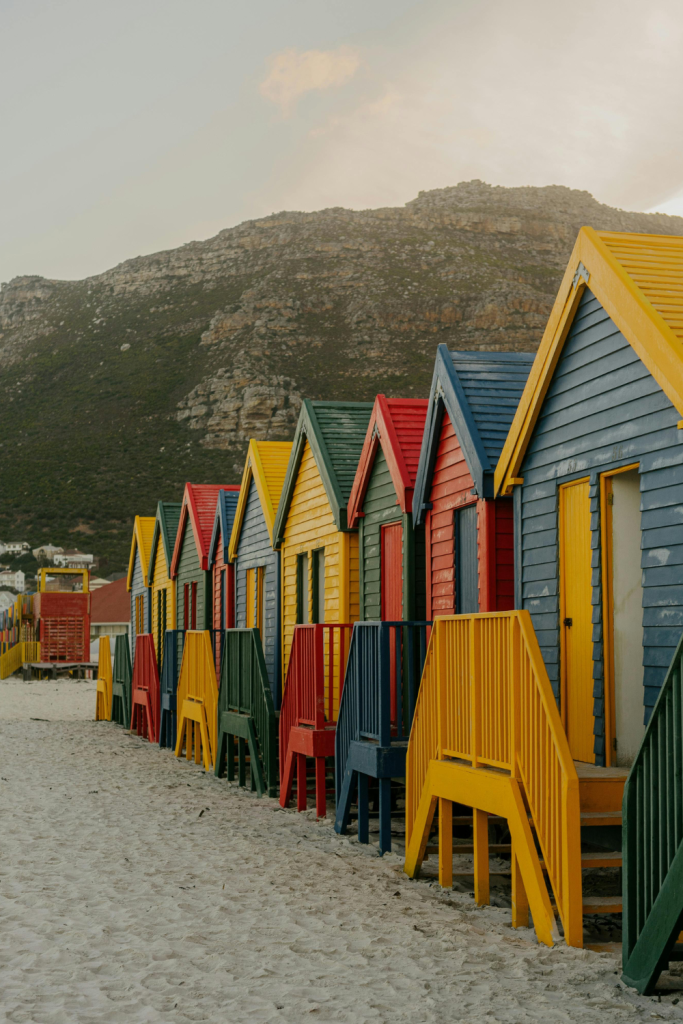
If Franschhoek is the French countryside twin, then Clarens is that quiet European village that somehow ended up in Southern Africa and is thriving.
Clarens is small-town magic — cobblestone energy without actual cobblestones. The whole place feels like a cozy European postcard: mountain backdrop, crisp air, art galleries literally everywhere, and cafés that make you suddenly crave pastries you can’t pronounce.
This is the kind of town where life slows down and nobody is rushing you. You wake up, grab a cup of coffee from a quirky café, wander into a random art gallery “just to look,” and next thing you know you’re seriously considering buying a painting of a mountain goat. It’s that kind of place.
Want to feel like a main character in a rom-com? Do this:
Go wine tasting or craft beer sampling (yes, Clarens has a brewery — very European, very cute).
Walk around the town square, try every bakery that catches your eye.
End the day watching the sunset bounce off the mountains like nature’s soft filter.
And the best part? It’s affordable.
Accommodation ranges from small guesthouses and cabins ($30–$60 per night) to more boutique stays if you want to be fancy ($100+). Meals are budget-friendly too — think $8–$15 for a solid meal.
Clarens is perfect for solo travelers who want peace, couples chasing cozy vibes, or anyone needing a break from city chaos. It’s quiet luxury without the price tag, without the noise, without trying too hard.
Think: European village vibes — but with African warmth and better sunsets.
Tetouan — Morocco

Tetouan is that girl — the one who looks effortlessly European but still carries her African roots with pride.
Picture this: whitewashed buildings stacked like sugar cubes on a hillside, narrow alleyways, balconies with wrought-iron details, and a medina so clean and charming it feels straight out of southern Spain. And honestly? You wouldn’t be far off — Tetouan has strong Spanish influence from back in the day, which explains why it feels like stepping into a quiet little town in Andalusia.
But unlike Europe where you might fight for space with 4,000 tourists holding cameras and emotional support ice creams…
Tetouan is calm, lived-in, and wonderfully authentic.
Here’s what a day in Tetouan looks like:
Morning stroll through the Old Medina (UNESCO World Heritage, no biggie).
Stop by a café where the cappuccino is like $1 — and delicious enough to write poetry about.
Wander into artisan workshops where locals hand-craft pottery, leather bags, and rugs with insane detail.
End the evening at the viewpoint overlooking the city, where everything turns gold under the sunset.
Cost check (because we’re budget girlies and guys around here), guesthouses / Riads ranges around $20–$50, mid-range hotels around $60–$100, i recommend you try local meals: $3–$10 (yes, seriously and so delicious)
Tetouan gives European architecture, African hospitality, Mediterranean breeze and prices that don’t make you cry. It’s perfect for slow travel, creative inspiration, and solo explorers who want culture without chaos.
If Franschhoek is European romance and Clarens is cozy European countryside…
Tetouan is European charm with a passport full of stamps and a Moroccan soul.
Cape Verde (Cabo Verde)
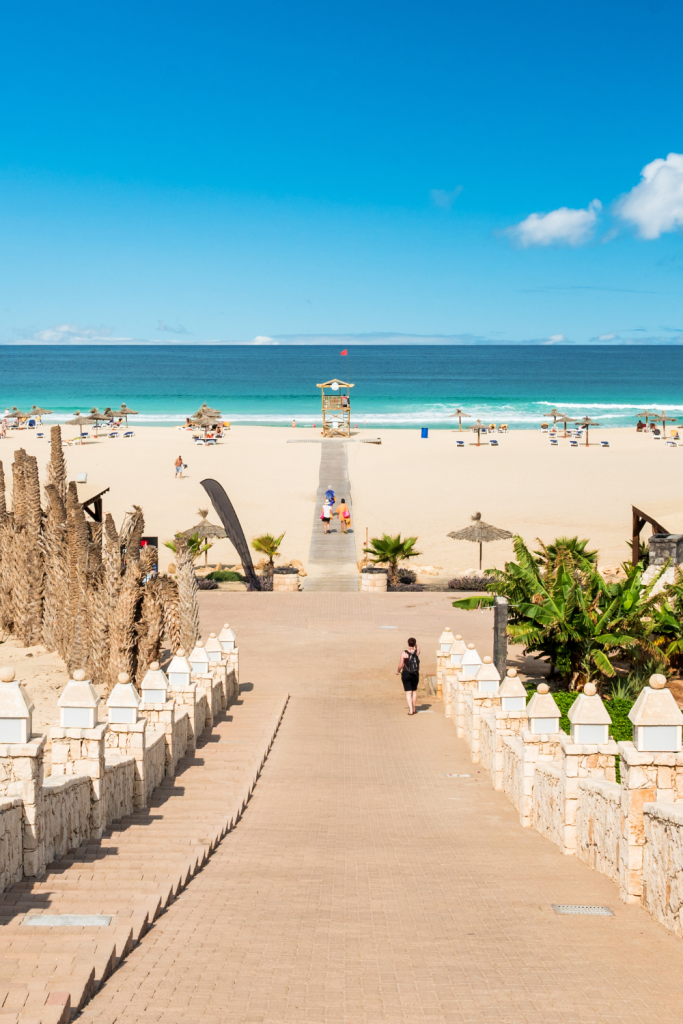
If Europe and Africa had a baby that grew up listening to Afrobeats and drinking espresso by the ocean — that child would be Cape Verde.
Cape Verde is that effortless “cool without trying too hard” destination.
Think: a mix of Portugal’s coastal charm, Greece’s island calm, and Africa’s warmth all wrapped into one turquoise-blue, music-loving paradise.
Here’s the vibe:
You land on the island and suddenly life slows down. Not “African time” slow — I mean soft life slow.
Crystal clear water. Colorful buildings. Cobblestone streets. Seafood so fresh it tastes like the ocean whispered on your fork. And the best part? No tourist chaos.
Just vibes, sunshine, and your main responsibility being deciding whether to nap by the beach or explore the pastel-colored towns.
What you can do:
- Wander through Mindelo, a tiny city that looks and feels like Lisbon’s chill cousin
- Go beach hopping on Sal Island (the water looks Photoshopped — it’s unreal)
- Hike volcano trails on Fogo Island if you’re feeling adventurous
- Enjoy live local music at night — the birthplace of morna music, btw
Cost Breakdown (because we’re still budget-conscious queens and kings)
You can stay in Guesthouses, which cost around $25–$50, cute boutique hotels around $60–$120, Local and seafood meals which cost around $6–$15, and go for Island tours which costs around $20–$50
It gives European calm, african rhythm, and Island luxury without the “my bank account is crying” energy
Cape Verde is perfect for:
- First-time solo travelers
- Soft-life girlies who want an aesthetic destination
- Anyone needing a quiet reset by the ocean
If you’ve ever said, “One day, I’ll run away to a peaceful island and start over,”
Cape Verde replies, “Bestie… today is that day.”
Midlands Meander — KwaZulu-Natal, South Africa
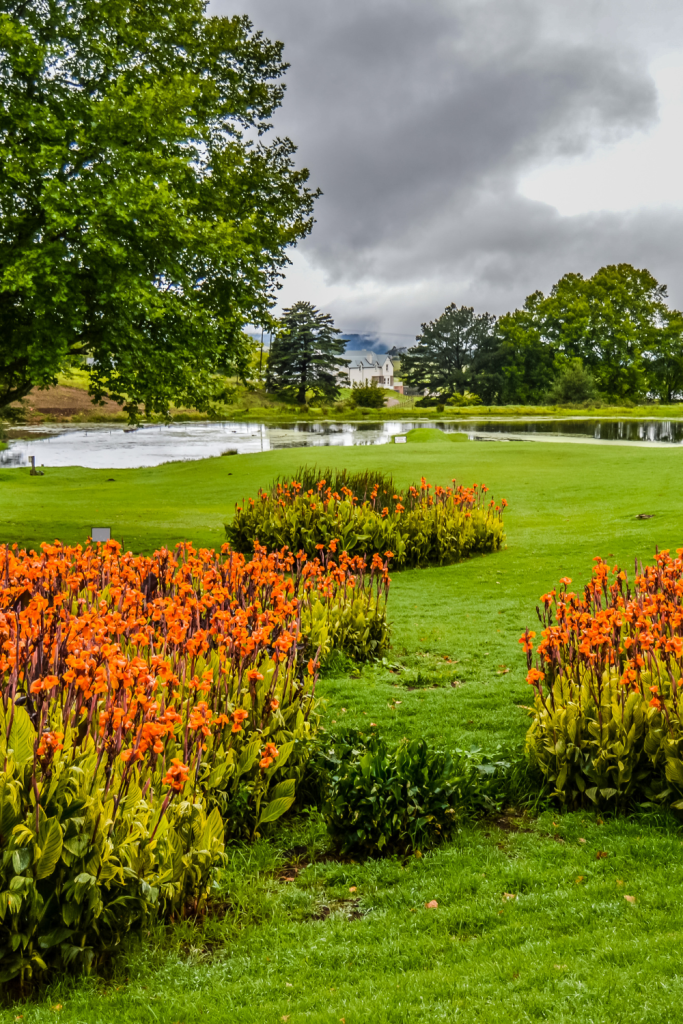
If Europe had a countryside Airbnb soft-life retreat and decided to relocate to Africa for better weather and cheaper wine — that would be Midlands Meander. Picture this: Rolling green hills, winding roads, cute farm-style cafés, artisan cheese shops, horses grazing in misty fields, and craft stores where everything looks like it belongs on Pinterest. It’s giving Irish countryside + English cottagecore + African warmth.
Midlands Meander feels like stepping into a postcard that smells like freshly baked bread and homemade jam. Here’s the vibe:
Wake up to fog kissing the hills like a scene straight out of a British romance movie.
Spend your morning hopping between local family-run cafés and chocolate shops.
End your evening in a cozy lodge, fireplace going, glass of wine in hand, journaling like the main character you are.
Activities you’ll love: Farm-to-table cafés — the food is so fresh it’s practically flirting with you, artisan markets — ceramics, leather goods, handmade crafts, all guilt-free because you’re “supporting local.”, nature walks + waterfall chasing — it’s giving soft wellness retreat, horseback riding through the countryside — yes, you can live your cottagecore fantasy.
Budget breakdown (aka: soft life without your bank crying) you can stay in guesthouses & farm stays for $35–$80, mid-range lodges with views around $100–$180, cafés and local meals that costs around $6–$15 and activities (horse riding, pottery workshops) around $10–$40 per day, don’t forget to set aside extra cash for unplanned expense.
Midlands Meander is perfect for:
- Solo travelers needing a peaceful reset
- Digital nomads craving fog + views to write their next masterpiece
- Anyone who wants “European cottagecore energy” without applying for a visa
If you’re looking for a destination where you can be soft, cozy, and unbothered, this is your sign.
Alexandria, Egypt
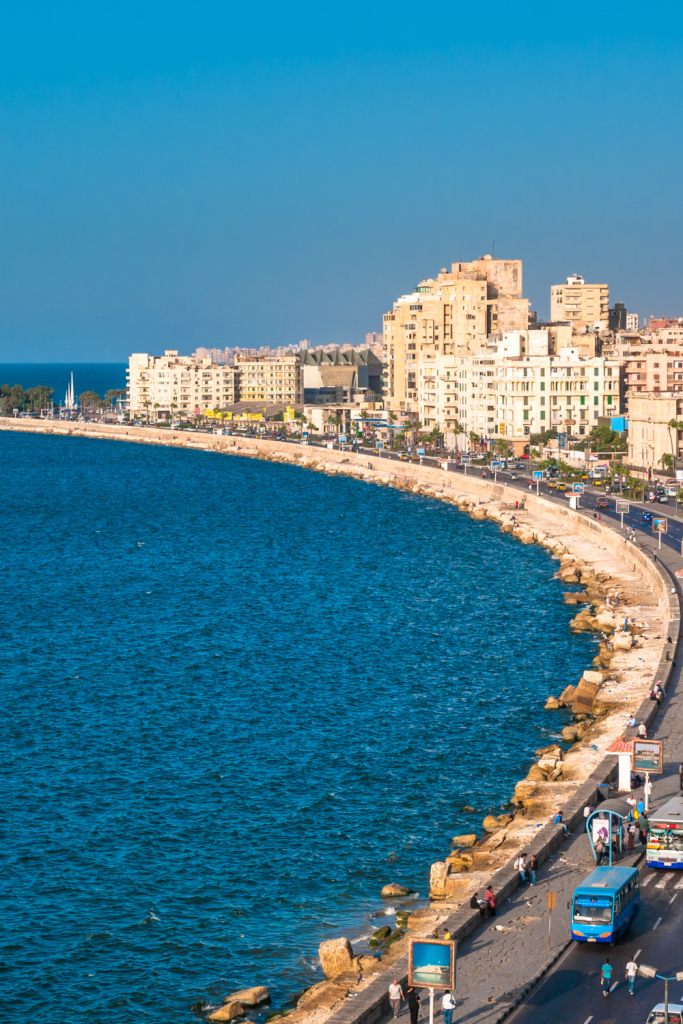
If you’ve ever dreamed of wandering through a European port city — cobblestone streets, historic architecture, old libraries, and sea breeze hitting your face like a cinematic moment — but your passport (or bank account) said “calm down”…
Alexandria is your loophole.
Alexandria is Egypt’s coastal gem — and yes, it gives European city vibes with Middle Eastern spice.
Here’s the vibe, picture a mix of Ghent, Belgium + Greece + old-world Mediterranean charm. You’re walking along the corniche, waves crashing, cafés lined up facing the sea, and the air smells like fresh pastries and history. Then you turn a corner and boom — the Bibliotheca Alexandrina.
A futuristic, massive, circular library built as a tribute to the ancient Library of Alexandria.
Book lovers will literally feel like crying. (I did. Internally.)
What you can do, stroll the Corniche like a mysterious main character in a 90s romance movie (it’s actually on the list of things i want to do), explore Montaza Palace Gardens — lush, green, serene, visit the Catacombs of Kom El Shoqafa — ancient underground tombs where history whispers, stop at seaside cafés for coffee with ocean views (elite soft-life behavior).
Here’s the budget breakdown (aka: Europe vibes, Africa pricing lol); cute boutique hotel near the corniche which costs around $25–$60, mid-range hotel with sea view: $70–$120, you can eat local meals: $4–$10 (yes, you read that correctly — $10 gets you fed like royalty)
And these are reasons why I love it; it’s safe, coastal, and easy to explore on foot or Uber, totally feels European without losing its Egyptian soul and It’s perfect for slow mornings, journaling, café hopping, and being mysterious and untraceable on social media (you know… soft girl era).
Alexandria quietly whispers: “You don’t need to be in Europe to live beautifully.”
Windhoek — Namibia
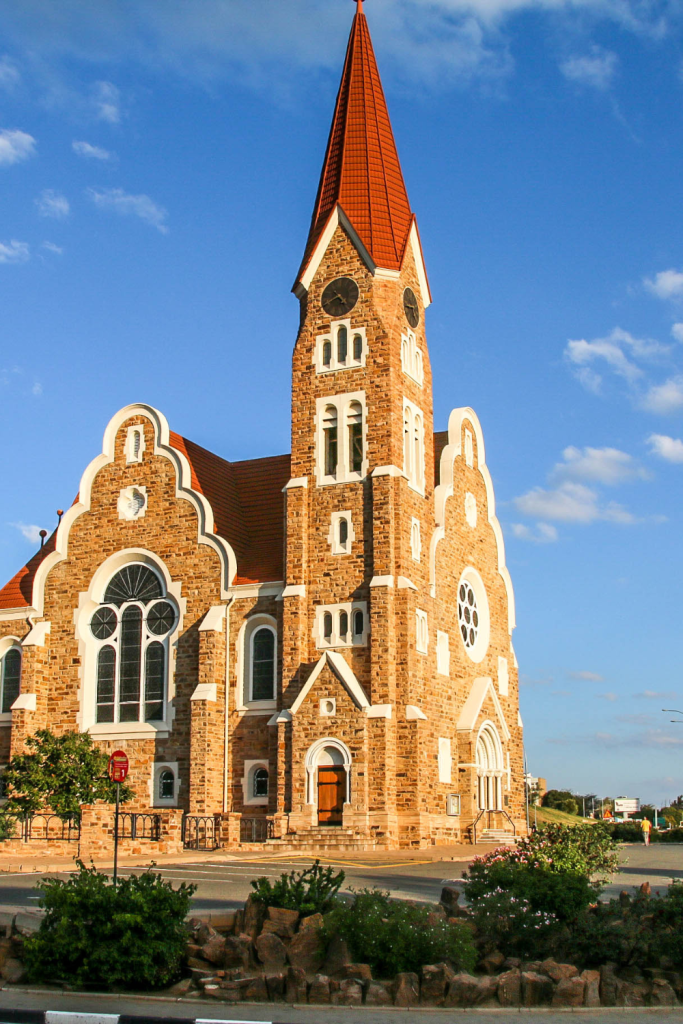
Windhoek is that unexpected city that shows up to the party dressed in quiet luxury when everyone thought it would wear cargo shorts and hiking boots. If Europe had a neat, organized younger cousin who grew up in Africa, picked up some German architecture, added palm trees for flair, and sprinkled in warm Namibian hospitality — that’s Windhoek. Here’s the vibe, you arrive and suddenly everything feels… put together. Wide clean streets. Cute cafés. Buildings that look like they were teleported from a small German town — but make it African sunshine.
You’re sipping iced coffee, surrounded by pastel-colored European-style structures, then boom — someone walks past speaking Oshiwambo or Afrikaans. It’s the most unexpected blend of cultures, and it works.
Things you can do:
- Visit Christuskirche, a storybook-looking Lutheran church right in the city center — it screams “take a picture of me.”
- Explore Independence Museum for panoramic city views (and aesthetic rooftop café photos).
- Stop by local craft markets — handmade leather pieces, woven goods, jewelry. Everything looks like an aesthetic Pinterest mood board.
- Eat at cute cafés and restaurants — German pastries in the morning, hearty African dishes at night.
And this is the budget breakdown (because we travel smart AND soft); you can stay in guesthouses, which cost around $30–$60, mid-range hotels around $70–$140, local meals around $6–$15 and taxi/Uber around town $2–$5.
Windhoek is perfect for:
- First-time travelers — it’s clean, safe, and organized
- Digital nomads who want café hopping + stable Wi-Fi
- Anyone who wants a destination that feels European without trying too hard
The best part?
You can easily pair Windhoek with the Namib Desert (just a few hours away).
So, one week you’re living your soft European city life, and the next, you’re standing in front of the world’s most surreal red dunes.
Windhoek proves: “Africa can give minimalist luxury without screaming about it.”
Final Conclusion
Africa isn’t just one story.
It’s not just safari, wildlife, or “adventure.”
It’s soft mornings in vineyard valleys that feel like France.
It’s cobblestone streets and café culture by the Mediterranean.
It’s island-blue water that gives Portugal-meets-Cape-Verde energy.
It’s cottagecore country roads where life moves slow and quiet.
It’s desert silence so surreal it feels like another planet.
What I want you to remember is this:
You don’t have to cross oceans to experience beauty.
You don’t need a European visa to live the soft life.
Africa is not a backup plan — it is the destination.
If you’re building your 2026 travel list, don’t just follow the crowd.
Choose places that feel like you — curious, bold, unique, intentional.
And when you start planning?
I made it stupidly easy for you.
Travel Resources (so your trip is stress-free):
Flights & Deals:
→ Google Flights or Skyscanner (set price alerts)
Accommodation (budget–luxury):
→ HostelWorld — for budget-friendly stays
→ Booking.com — hotels & apartments with free cancellation
Transport / Tours:
→ Local verified tour companies (listed in my blog resources section)
All links + my personal travel resources are here:
maveetravelguide.com/resource
If this inspired you, do your girl a favor:
Like. Share. Save. Subscribe.
Because Africa’s story deserves to be told — and I plan to shout it from every platform.
See you in the next destination.
We’re just getting started.
— Mavee
Your travel bestie, your soft-life plug, your African adventure tour guide — all in one.
Leave a Reply