Mavee Travel Guide occasionally includes affiliate links, meaning I may earn a small commission if you book or buy through them — at no extra cost to you. Every brand or service I recommend is one I genuinely trust, use, or truly believe will make your travel experience better.
You know how I always say — before you explore Africa, start by exploring your own backyard? It builds confidence, sparks excitement, and gets you curious about how other people live, think, and create.
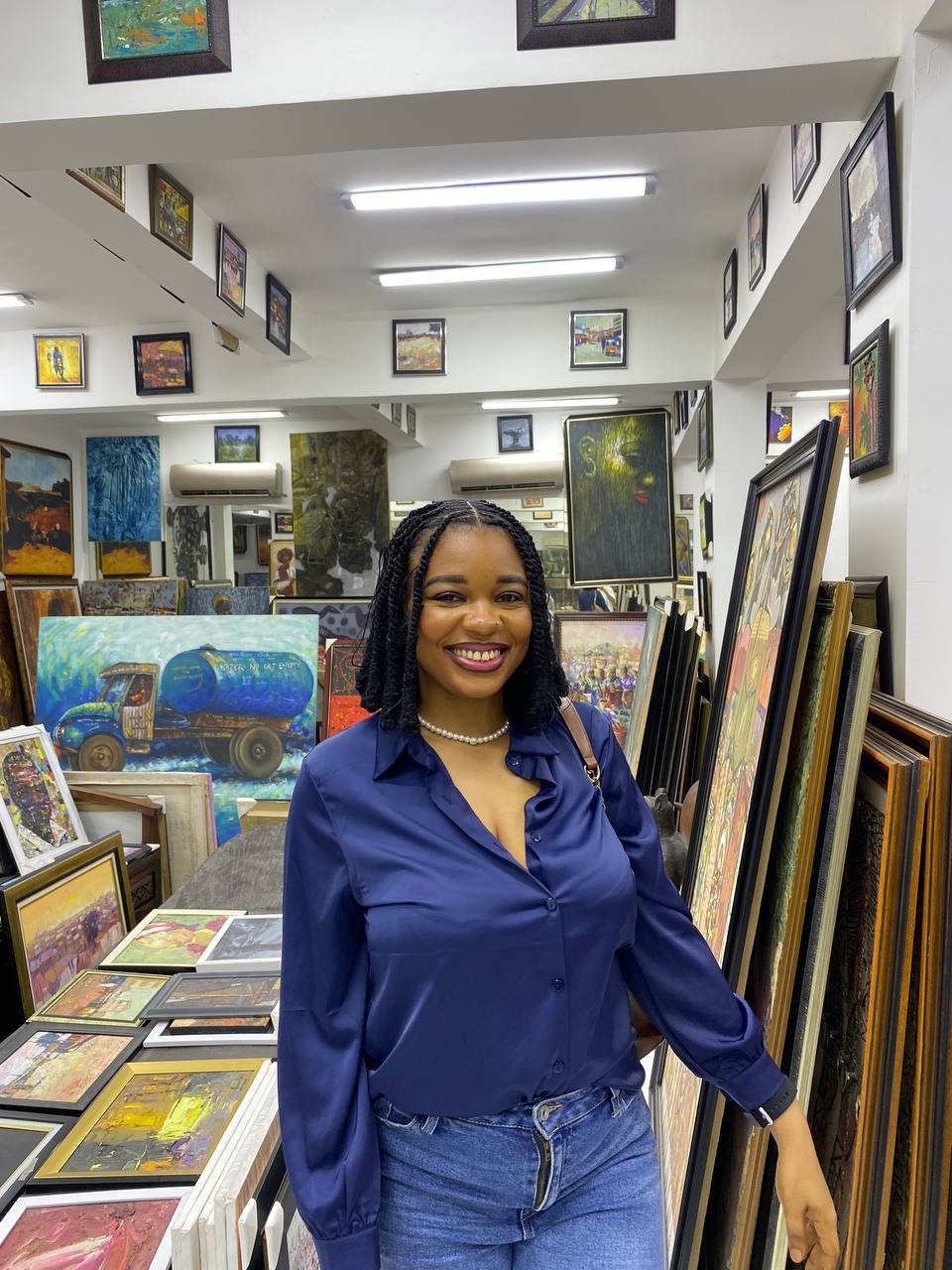
So, I took my own advice. I decided to start with Nike Art Gallery in Lagos — a place I’ve heard whispered about by art lovers, friends, and even caught glimpses of on Instagram Reels. But let me tell you the truth — nothing prepared me for what I was about to experience.
I’ve always been an art lover, but walking into that building felt like stepping straight into a dream.
The gallery, founded by Nike Davies-Okundaye, stands proud and alive — surrounded by sculptures and splashes of color that spill outdoors like the art simply couldn’t contain itself. It’s one of the largest art galleries in West Africa, holding over 8,000 works across four floors — and somehow, every inch feels alive.
When I arrived, an attendant welcomed me with the kind of warmth that instantly puts you at ease. Entry is free for individuals (though there’s a small fee for group visits), and the gallery runs from 10 a.m. to 6 p.m. daily. They told me I could explore freely, with just a few restrictions on photography and, of course, opportunities to purchase pieces that speak to you.
As I wandered deeper into the building, something shifted. It didn’t just feel like an art gallery — it felt like home. Every wall seemed to breathe, every color told a story, and the textures whispered of generations past. It’s one of those places that reminds you: Africa’s creativity isn’t just seen; it’s felt.
Inside the Four Floors of Africa’s Art Wonderland
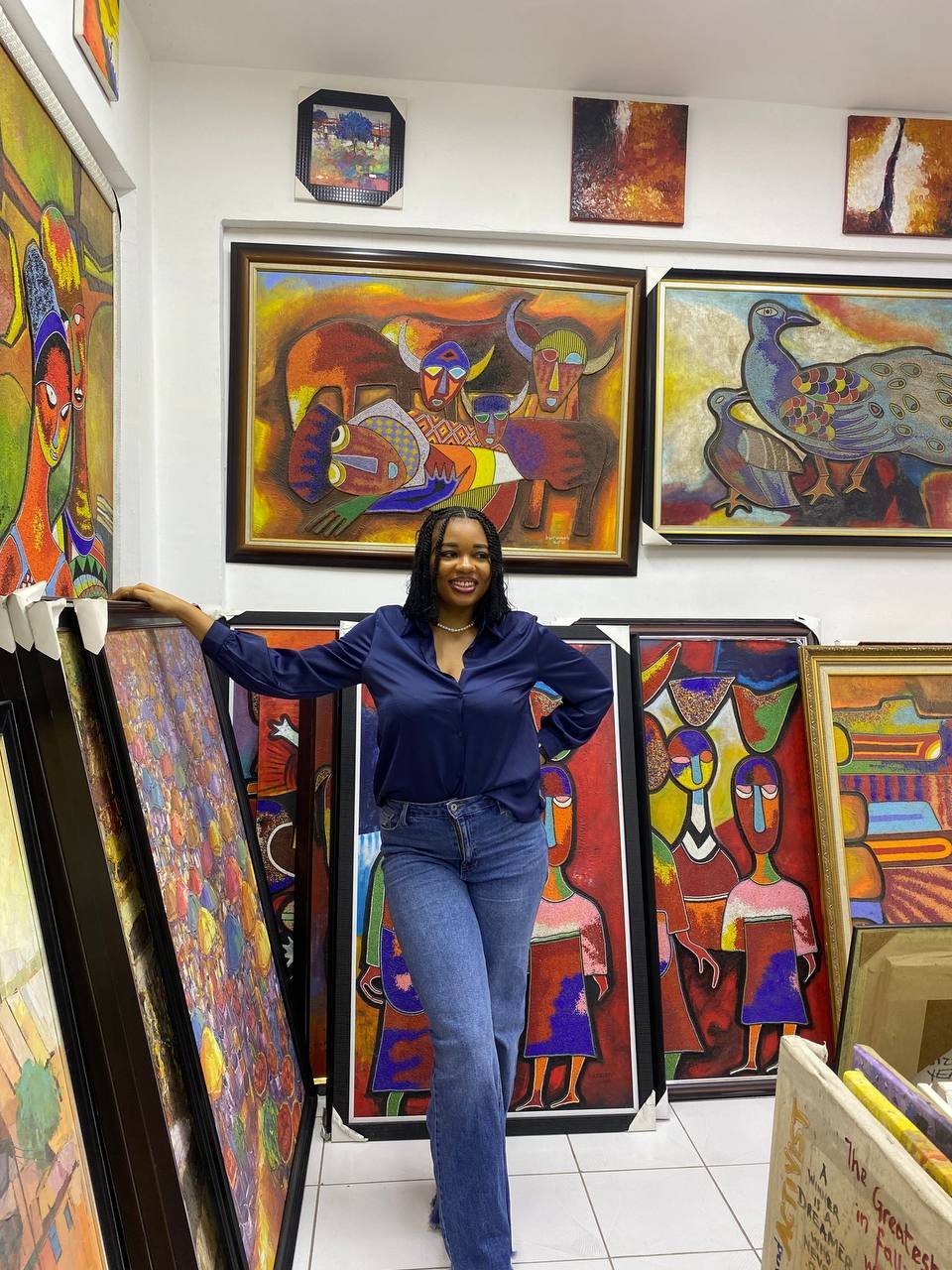
The building stretches across four incredible floors — and honestly, each one feels like stepping into a completely different world, each telling a story of its own.
The ground floor hit me first with a rush of emotion. Massive canvases told everyday stories — scenes from street life, mothers carrying their babies, lovers under the sun, faces that felt deeply familiar. Sculptures stood tall, symbolizing Yoruba heritage, woven beautifully with modern geometric forms. I could swear I saw faces from local villages, carved so vividly they almost breathed.
Then came the first floor — a true time capsule. Every painting and sculpture seemed to pull me back into the old days, before city life, before modernization, before noise. It’s where Africa’s heart still beats raw and untouched. Canvases showed mothers’ love, men at work, lovers frozen in clay. One piece — a sculpture shaped like the African continent itself — stole my heart completely. This was easily one of my favorite floors because it reminded me of who we were before the world called us “developing.” It felt like traveling back in time, and for an art lover like me, that was pure magic.
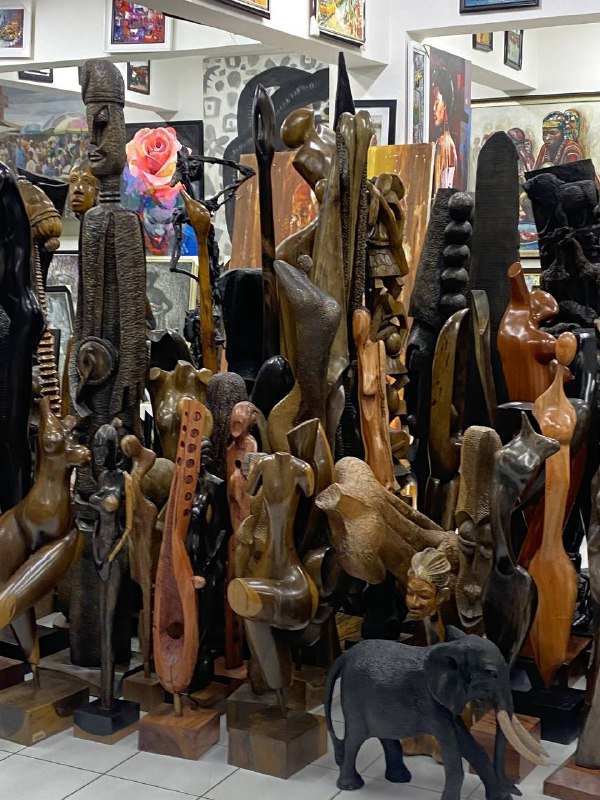
The second floor was an entire universe of sculptures. Dozens of them. Every corner, every shadow seemed to hold one more — faces, figures, gods, dancers, women in traditional wrappers — each telling a story about African beauty, identity, and lifestyle from eras long gone. I found myself walking slower here, like I didn’t want to rush through someone’s history.
By the time I got to the third floor, I felt like I’d crossed from art into memory. This was the heartbeat of tradition — filled with musical instruments from different eras. Vintage talking drums, wooden harps, flutes, even old pianos. It almost felt like they could play themselves. Standing there, surrounded by echoes of rhythm and melody, I caught a strange wave of déjà vu — like I’d lived in that era once before.
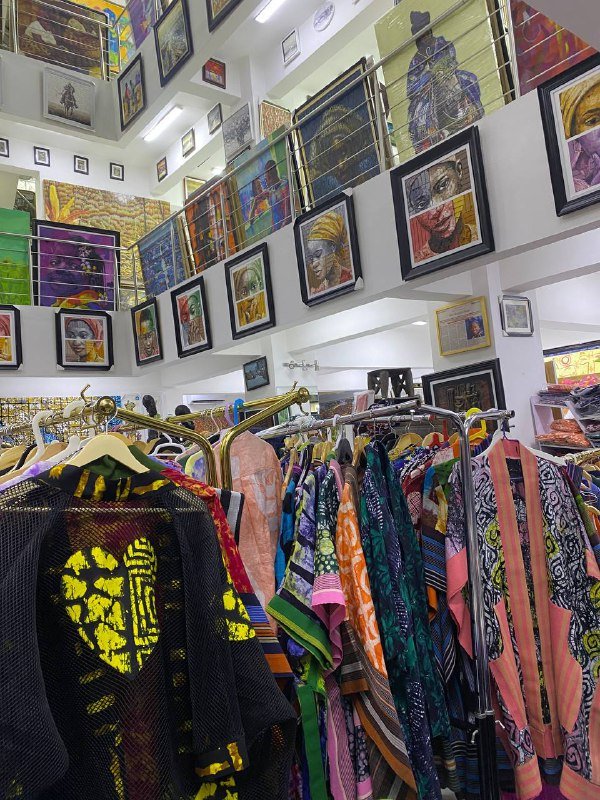
Then there were the textiles — Adire, batik, and beautifully dyed fabrics in deep indigo, sun-kissed earthy browns, and bold African patterns. The kind you just want to reach out and touch. I leaned in close, imagining the weavers’ hands, the hours, the rhythm in every line.
And just when I thought I’d seen it all, I found the overflow rooms — tucked-away spaces stacked with hidden treasures. Paintings leaned against each other behind curtains, sculptures slept quietly in corners, folded fabrics sat like secrets waiting to be rediscovered. It felt like I had stumbled into the gallery’s private diary — one only the truly curious get to read.
Before I left, I wandered outside and found myself face-to-face with the bronze sculptures. My favorite? The iconic Fela Kuti, frozen mid-motion, commanding presence even in stillness. I laughed to myself — if I could, I’d pack it up and take it home. Every piece outside, just like inside, was alive.
Somewhere between the floors and the colors, I caught myself asking: Which of these pieces tells a story only Nigerians would understand?
The truth? All of them. Every brushstroke, every sculpture, every rhythm of color carried a familiarity — a quiet nod to home.
Your Travel Bestie Guide — Turning Your Visit Into Content Gold
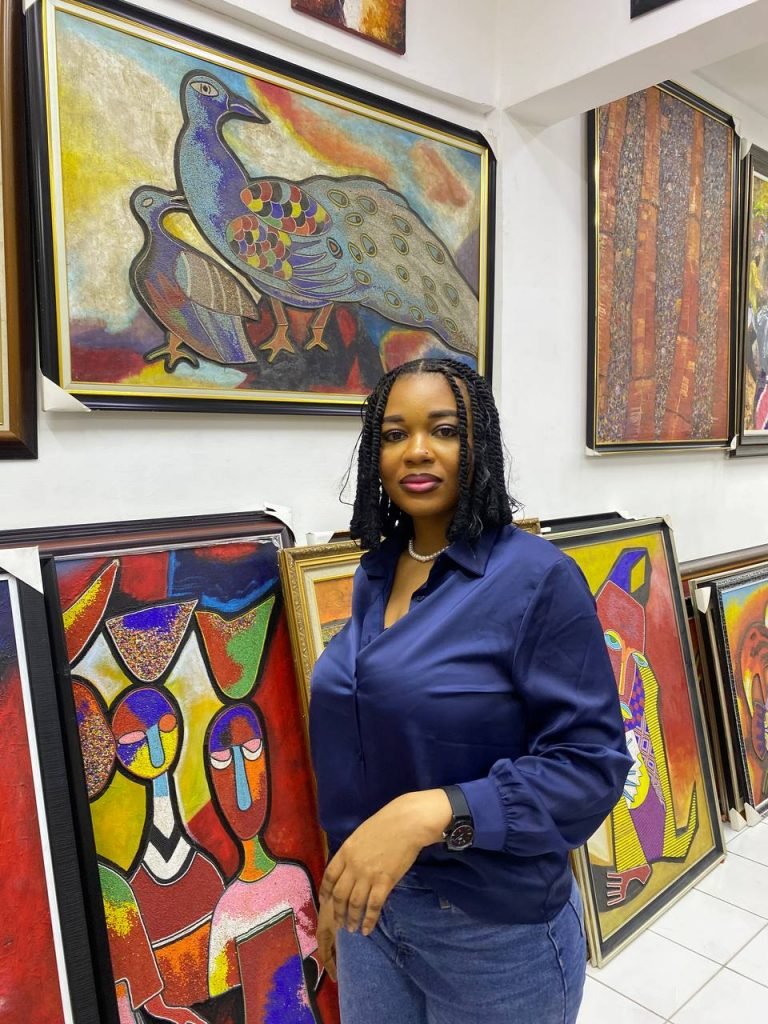
You already know me — I travel with purpose, heart, and a whole lot of curiosity. So if you ever plan to visit, here’s how to turn your Nike Art Gallery experience into pure content gold.
Arrive early — light is everything.
Trust me on this one. The gallery’s interior looks its best when that soft daylight pours through the windows. Especially if you want to capture all those beautiful bronze sculptures outside — come early. I made the mistake of showing up late, and let’s just say… the sun didn’t do me any favors.
Dress boldly — let your colors do the talking.
Nike Art Gallery is an explosion of color, so your outfit should join the conversation. Wear something bright, expressive — pieces that pop against the gallery’s textured walls. Even though I love wearing my signature tones, I made sure my outfit stood out in photos. Think color blocking, flowy fabrics, or even a bold scarf.
Talk to the staff and artists — they hold the stories.
Ask questions, listen, and let their words color your captions. Everyone I met was incredibly warm, open, and proud to share the story behind their work. You’ll leave with quotes that breathe life into your posts.
Capture layers — don’t just take photos, tell the story.
Film snippets of the walls, close-ups of brush textures, the staircase curve, the quiet corners. Capture wide hallway shots that show how grand it feels — and mix them with small details that pull people in.
Respect the rules — no cameras means get creative.
Some artworks are off-limits for photography, and there’s a pretty strong no-camera policy in certain areas. But here’s the trick: film your reaction instead. Record your awe, your smile, your commentary. Sometimes the best content isn’t what you see — it’s how you felt.
Lose track of time — it’s part of the magic.
I walked in thinking I’d stay for an hour. I walked out hours later, blinking at the sunlight, wondering where the day went. Believe me — time doesn’t exist inside that building.
Buy something small — take a piece of Africa home.
Even if it’s just a postcard, a print, or a little carving. I left empty-handed, but if I could, I’d have walked out with two large canvases, three bronze pieces, and maybe four sculptures. (A girl can dream, right?)
Share the behind-the-scenes.
Don’t just post the art — post the experience. The corridors, the staircase, the textile room. Capture the hidden beauty, the in-between moments, the laughter, and the “wow” faces. That’s the real gold.
Why This Gallery Moves Me — and Why It Should Move You
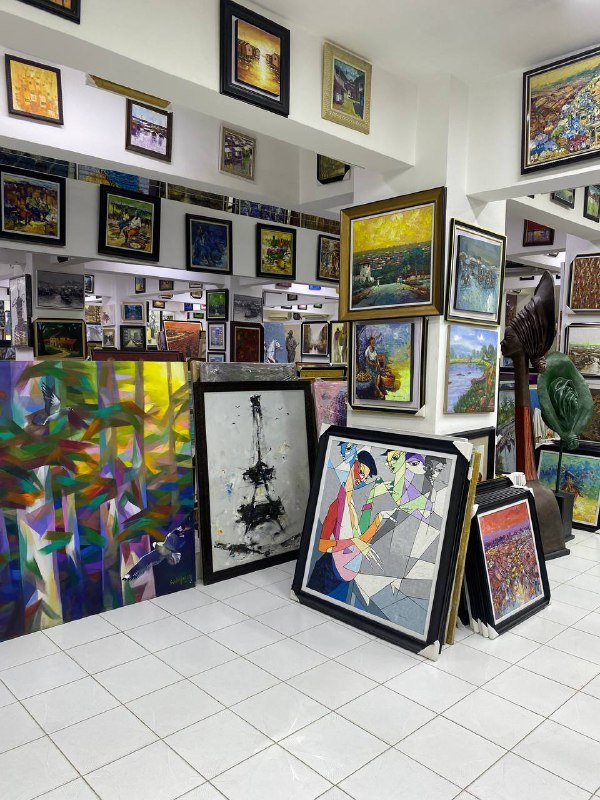
There’s something deeply emotional about Nike Art Gallery. It’s not just an art space — it’s a living, breathing storybook of Africa. Every floor, every corner, every brushstroke carries the heartbeat of generations.
I think what hit me most wasn’t the beauty (though, believe me, it’s breathtaking). It was the soul. The way every piece spoke — in languages only your heart could understand. It reminded me that African art isn’t just made to be seen. It’s made to be felt.
I stood there, surrounded by sculptures and textiles that looked like they’d lived through time itself, and I realized — this is more than culture; it’s memory. It’s the collective memory of our people, our struggles, our joy, our rhythm.
There’s something grounding about walking through art that feels familiar — like you’ve seen it in a dream before. Maybe that’s what makes Nike Art Gallery so special. It’s not trying to impress; it’s inviting you to remember.
And even though it’s one of Africa’s largest art galleries, it somehow feels personal — like you’re walking through someone’s heart.
If you ever find yourself in Lagos, promise me you’ll stop by. Don’t rush it. Don’t just take photos for the ‘Gram. Breathe it in. Let the colors and carvings and conversations move through you.
Because in a world that’s constantly moving too fast, this place reminds you to pause… and reconnect — not just with art, but with the story of who we are.
Travel Bestie Tip: Save this for your next Lagos trip — because Nike Art Gallery isn’t just a place to visit, it’s a place to feel. And when you do go, tag me so I can see it through your eyes.
Leave a Reply