Mavee Travel Guide occasionally includes affiliate links, meaning I may earn a small commission if you book or buy through them — at no extra cost to you. Every brand or service I recommend is one I genuinely trust, use, or truly believe will make your travel experience better.
If you’re a regular here on the blog, then you already know the vibe — we’re all about exploring Africa in the most real, immersive way possible. From the rich cultures to the buzzing cities, the hidden trails to untouched landscapes, we dive into it all. And of course, you can always trust your travel bestie (that’s me lol) to sniff out the absolute best hidden gems across the continent.
Now, full disclosure — I might be slightly biased here, because these spots aren’t just any destinations. These are my personal favorites, the places that made me fall in love with Africa over and over again. They have soul, charm, and stories that will stick with you long after you leave. Whether you’re chasing adventure, serenity, or just a new perspective, these hidden gems are perfect for anyone who wants to explore Africa beyond the usual tourist trail.
Buckle up, because we’re about to uncover some of the continent’s best-kept secrets — the kind that will make you fall head over heels for Africa all over again.
1. Lalibela, Ethiopia — The Highlander’s Holy Wonder
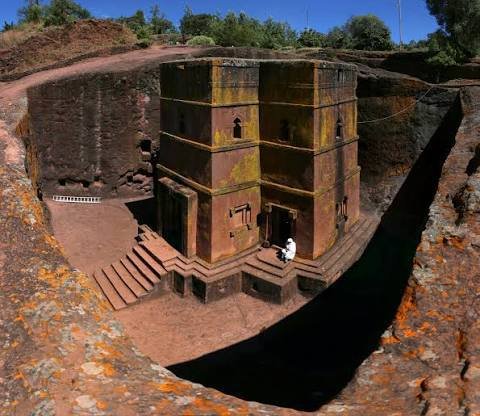
Lalibela takes the first spot on this list — and for good reason. It’s a sacred town in Ethiopia renowned for its 11 monolithic rock-hewn churches, carved straight out of solid volcanic rock back in the 12th and 13th centuries. These ancient masterpieces weren’t just built for beauty; they were created as a symbolic “New Jerusalem” after pilgrims couldn’t travel to the real one.
And honestly? It’s giving Highlander meets Outlander vibes — all mystic, majestic, and timeless (okay, maybe that’s just my imagination running wild).
Beyond its legendary churches, Lalibela holds deep spiritual significance and still serves as a place of worship and pilgrimage today. But here’s the thing — Lalibela isn’t just about the churches. The surrounding landscapes, traditional villages, waterfalls, and colorful local markets are just as breathtaking and worth exploring.
If you’re planning to go, the best time to visit is during the dry season — from November to February — when the weather is cooler and perfect for exploring. Getting there is pretty easy too; take a short flight from Addis Ababa, the capital. Lalibela’s got its own small airport for domestic flights. Just make sure to book ahead, especially during peak months.
Personally, I swear by Skyscanner and Kiwi.com for snagging flight deals — they’ve saved me more times than I can count.
Now for where to stay: Lalibela has a mix of everything — from budget hostels and cozy guesthouses to upscale lodges if you’re in the mood to splurge a little. On Hostelworld, dorms start from around $9, and private rooms go for $15 per night — super affordable, right?
And if you’re traveling in a group or prefer organized tours, check out Get Your Guide. They offer guided experiences from $30, ranging from quick tours to multi-day adventures — so there’s never a dull moment.
Last tip? Dress modestly, respect the local customs, and learn a few basic Amharic phrases — it always earns smiles and warm connections.
2. São Tomé and Príncipe
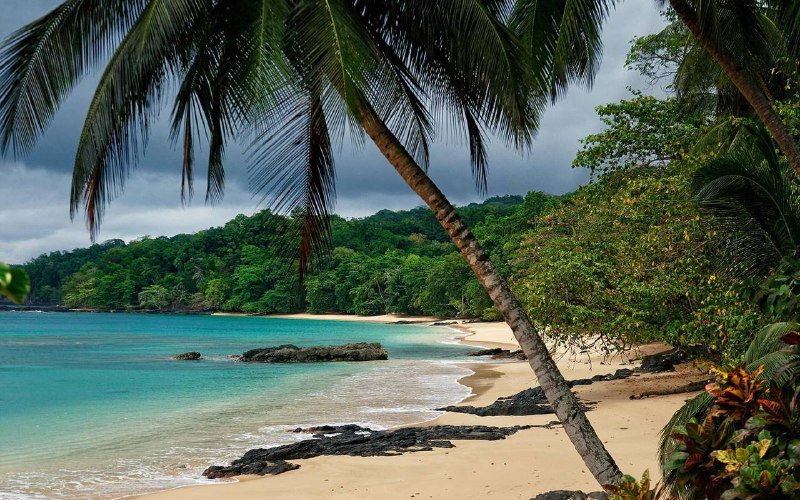
The second on our list is São Tomé and Príncipe, a lush tropical island duo floating quietly in the Gulf of Guinea. It’s one of Africa’s smallest countries — right after Seychelles — but trust me, what it lacks in size, it makes up for in soul and scenery. The whole place feels like a living fantasy novel: thick jungles, volcanic peaks, waterfalls that sound like whispers, and coastlines that make your heart skip a beat.
If you’ve got a curious mind, this island will keep you busy busy. From the dramatic Bay of Spires, where volcanic rock towers rise from the sea like nature’s own skyscrapers (best seen by boat), to Pico Cão Grande, that iconic needle-shaped volcanic plug shooting up from the jungle — a hiker’s dream. You can hike around the base if you’re just there for the views, or climb it if you’re feeling bold and seasoned.
Then there’s Praia Banana and Mercado Grande in São Tomé — golden beaches, colorful markets, and all the local vibes you could ever want. Don’t miss Roça Água-Izé and other old cocoa plantations; you’ll find chocolate labs, plantation tours, and a slice of history (plus, free samples if you play your cards right ). And my personal favorite? Cascata São Nicolau — a lush, hidden waterfall that feels straight out of a postcard.
What makes São Tomé and Príncipe truly special is how untouched it still feels — raw rainforests, rare wildlife, beaches without crowds, and an energy that feels deeply authentic. The history runs deep here, from colonial-era architecture to food and traditions that blend African and Portuguese influences. It’s perfect for travelers chasing peace, nature, and a little bit of quiet adventure.
Expect to spend around €30-45 a day, which covers meals, transport, and stays in hostels or guesthouses. Dorms range between $15-$30 per night, and you can book easily through Booking.com. For those who love guided experiences, an 8-hour city tour costs about €97, totally worth it if you want the full story behind the sights.
Flights connect via Lisbon (Portugal), Libreville (Gabon), Luanda (Angola), and a few other African hubs. I personally recommend Skyscanner for booking your flights — it’s my go-to for comparing routes, spotting hidden deals, and finding the cheapest options without stress. To reach Príncipe, the smaller island, hop on an STP Airways flight (just about 40–45 minutes). Once you arrive, shared taxis are super common, and if you’d rather explore on your own schedule, you can rent a car (with or without a driver).
Pro Tip: Learn a few basic Portuguese phrases — it goes a long way with the locals. And as always, respect local customs: dress modestly, especially in religious areas.
São Tomé and Príncipe might be small, but it’s got the kind of quiet magic that leaves a loud impression.
3. Guinea-Bissau — Africa’s Timeless Little Secret
Guinea-Bissau is one of those places that feels forgotten by time — but in the best way possible. Think raw landscapes, warm and welcoming people, and nature that’s still beautifully untouched. If you’re craving somewhere picturesque, calm, and refreshingly untouristy, then baby, you just found your spot.
It’s a small coastal country tucked in West Africa, bordered by Senegal to the north, with a population of about 2.2 million people. The official language is Portuguese, so remember what we always say — learn a few basic phrases. They’re not just for chatting; I call them ice breakers with magic. Locals always light up when you make the effort.
Now, let’s talk about my favorite part — the places that stole my heart. The Bijagós Archipelago tops the list: a chain of dreamy islands wrapped in mangroves, wild beauty, and rare wildlife. Each island has its own vibe — some peaceful and quiet, others alive with local energy — but all of them feel truly magical. There’s also Cantanhez Forest and Cacheu River Mangroves, where dense jungles, lush wetlands, and slow rivers make you forget the rest of the world even exists. If you’re a nature lover or just someone who enjoys a good off-the-grid story, this place will feed your soul.
The best time to visit is during the dry season, when the rain chills out and traveling between islands gets way easier. You can explore the city using shared taxis, boats, or local minibuses — it’s all part of the adventure.
Guinea-Bissau is also budget-friendly, which we love. Eat local (trust me, the flavors hit differently), stay in community lodges or simple guesthouses, and you’ll still get that rich, authentic experience without breaking the bank. Some tours — especially in the national parks — might cost a bit more, but I highly recommend GetYourGuide and Viator. They’re tried, tested, and super affordable for solo travelers and small groups.
So yeah, Guinea-Bissau isn’t loud or flashy. It’s quiet, graceful, and full of soul — the kind of place that humbles you and makes you fall in love with travel all over again.
4. Comoros — Africa’s “Perfumed Islands” of Mystery & Beauty
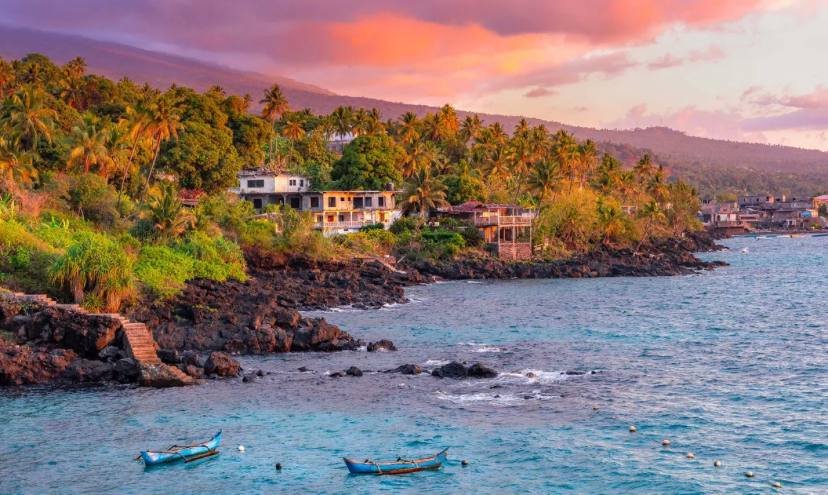
I would say this one is hands-down one of my absolute favorites — a real hidden gem in the African island world. Comoros feels like a secret the Indian Ocean has been keeping all to itself. It’s a small archipelago tucked between Madagascar and Mozambique, made up of three enchanting islands: Grande Comore, Anjouan, and Mohéli — or as I like to call them, the triplet islands.
Each of them has its own unique charm. The islands are mostly volcanic in origin, crowned by Mount Karthala, one of the world’s largest active volcanoes. It’s surrounded by lush rainforests, mangroves, and crystal-clear marine parks that look like they were designed by nature’s best architect. If you’re a nature lover, an adventure junkie, or just someone craving a quiet island escape far from the chaos, Comoros checks all the boxes.
What I love most is how authentic and untouched it feels. There are no overwhelming tourist crowds, just warm locals, breathtaking beaches, and that magical island calm. Despite being off the beaten path, it’s surprisingly affordable — from local food to accommodation and even guided tours. The only thing that might stretch your budget a little is the flight, but with Skyscanner, you can easily snag last-minute deals or cheaper connecting routes.
Comoros is one of those places that humbles you — raw, beautiful, and deeply rooted in culture. It’s not just a destination; it’s a reminder that paradise doesn’t have to come with a luxury price tag.
5. Sossusvlei, Namibia
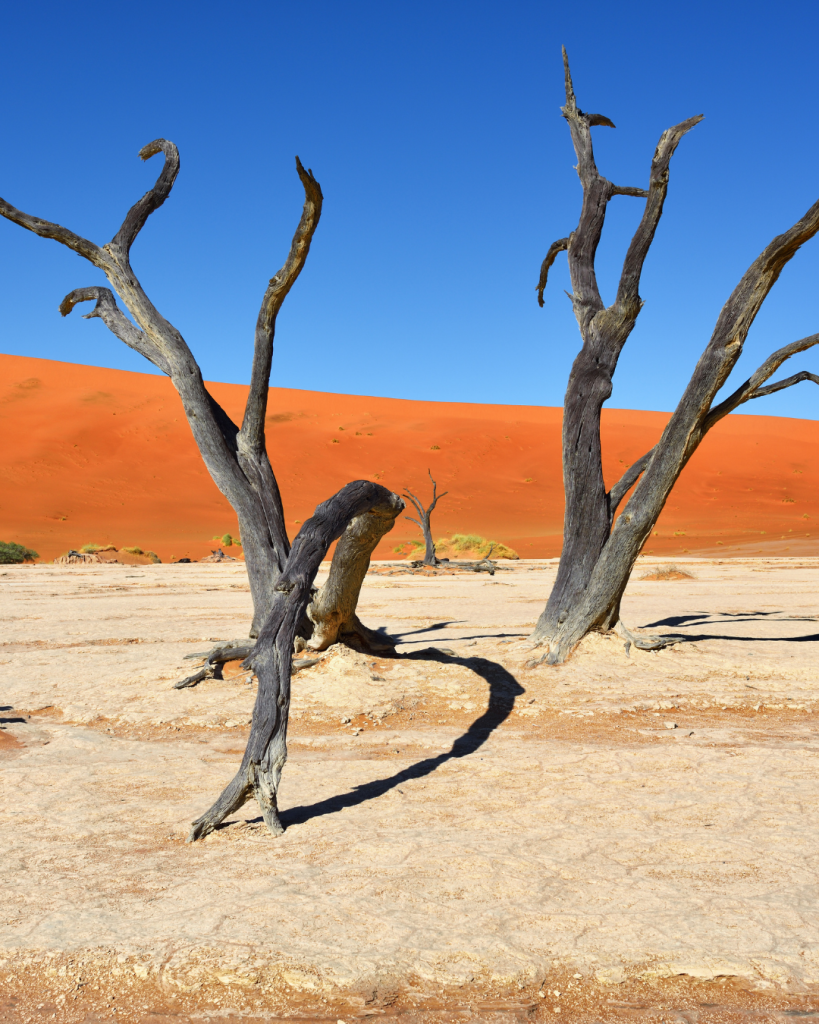
When it comes to being completely mesmerized by landscapes that feel almost unreal, Sossusvlei easily takes the crown. It’s that part of Namibia where nature went full drama queen — blazing orange sand, stark white clay pans, and those haunting dead trees in Deadvlei standing frozen in time. The dunes here are no joke either — some of the reddest and tallest in the world, tucked inside the magnificent Namib-Naukluft National Park.
The best time to visit is during the dry season (May to September) — mornings are cooler, the climbs are easier, and trust me, the sunrise and sunset here will ruin every other one you’ve seen. The color play on the dunes hits different.
Getting there is pretty straightforward — about a 5–6 hour drive from Windhoek, Namibia’s capital. And if you’re in the mood to splurge a little (or avoid the long drive), there’s even a small airstrip nearby for charter flights.
Now, for the fun part — a few things you can’t skip. Climb Big Daddy (it’ll test your legs but reward your soul), visit Deadvlei for that surreal desert art moment, hit Dune 45 for the perfect sunrise or sunset shots, and then my absolute favorite — stargazing. Nothing, and I mean nothing, beats standing in the middle of the desert at night when the air is still, the world is silent, and the sky decides to show off. It’s pure magic.
A few quick tips before you go: carry cash (you’ll need it for park fees and small purchases), keep all paperwork or permits handy, wear closed shoes (the sand gets hot fast), and don’t forget to stay hydrated — the desert doesn’t play nice with thirst.
Sossusvlei isn’t just a destination; it’s a humbling experience — the kind that reminds you how small you are and how wild the world still is.
6. Zanzibar, Tanzania (less-touristy areas)
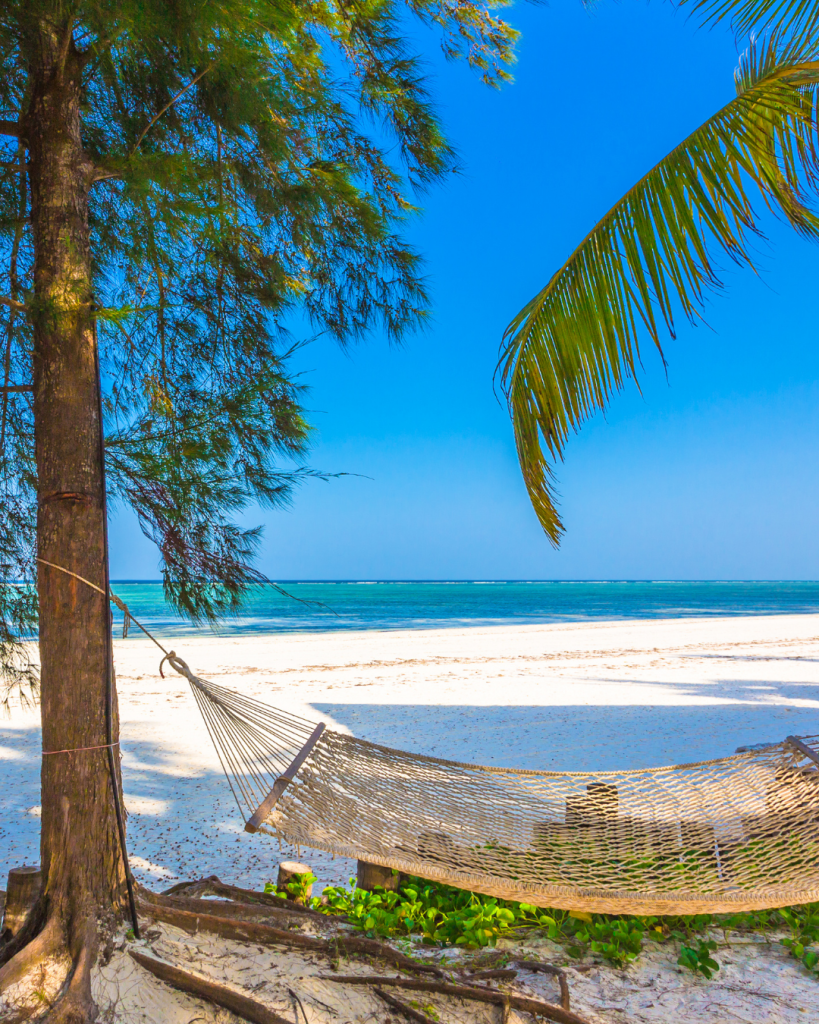
Zanzibar is easily one of the most beautiful places in Africa — with its turquoise-blue seas, golden sunsets, and sunrises that make you pause and just breathe. Honestly, it’s the kind of place that makes you fall in love, whether with someone or just with life itself lol. What I really love about Zanzibar though, is that beyond the postcard-perfect beaches, there are still plenty of quiet, less-touristy corners waiting to be explored — places like Michamvi Pingwe, Mtambwe Beach, and Michamvi Bay, where the pace slows down and the vibes are pure peace.
For nature lovers, Kiwengwa-Pongwe Forest Reserve and the lush mangroves offer a chance to see the island’s wilder side, while Matemwe Village gives you that deep cultural connection — real people, real stories, and real smiles.
The best part? You don’t need a fat wallet to experience all this magic. Zanzibar can be very budget-friendly if you plan smart. Move around like a local with shared taxis, dala-dalas (minibuses), or scooters. For stay options, Hostelworld is perfect for finding cozy lodges and hostels, while Booking.com is great for hotels and slightly fancier spots if you feel like treating yourself. Eat local, try the street food (thank me later), and join group tours via Expedia or GetYourGuide to explore without breaking the bank.
7. Djenné, Mali — Mud, Markets & Ancient Magic
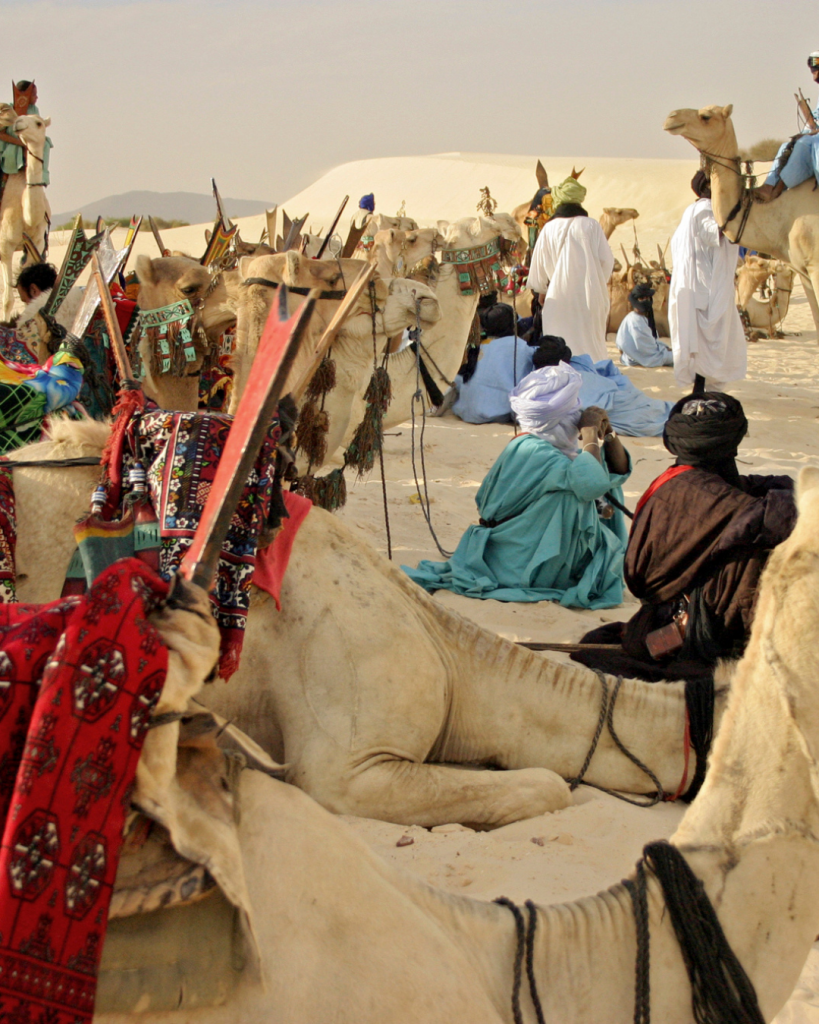
Djenne is one of those places that quite literally whispers history from every adobe brick. Nestled in the floodplain of the Bani River in Mali, it’s a town built entirely from mud — but not just any mud. It’s artistry, culture, and centuries of human craftsmanship molded into something that feels sacred. The kind of place where time seems to pause the moment you arrive.
It’s most famous for its Great Mosque, the largest mud-brick building in the world — an architectural masterpiece and a living piece of history. The town itself is a labyrinth of artisan alleys, age-old homes, and a culture so rich you can practically feel it in the air. I personally have a soft spot for places like this — they’re not just destinations; they’re lessons in how the past still breathes through the present.
You’ll want to see The Great Mosque, the Old Town and its mud-brick homes, the Monday Market (which is basically a cultural explosion of colors, smells, and life), the small but soulful museum filled with traditions, pottery, and ancient tools that help you connect the dots of how this town came to be. Don’t skip the Pirogue Ride on the Bani River either — the view from the water gives you a whole new perspective of how peaceful life can feel here.
Now, timing is everything. The best time to visit is November through February when the weather is cooler and the town comes alive. I’d say avoid March through May — the heat is no joke — and steer clear of the rainy season unless you’re into mud wrestling (you’ve been warned, lol).
Getting there is pretty straightforward: travel from Bamako, the capital, by bus or shared transport. The trip’s long but affordable, and honestly, half the fun is watching the scenery shift as you go deeper into Mali’s heartland.
Budget-wise, expect to spend around €10–25 a day if you’re staying in local guesthouses, eating local food, and keeping things simple. If you’re into tours, plan for a little extra — though I’d highly recommend joining group tours to cut costs and meet fellow travelers.
Djenne might not have the glitz of big tourist cities, but what it offers is far more rare — raw beauty, ancient wisdom, and a quiet kind of magic that makes you see travel differently.
Wow… what a journey, right? From the mud-brick magic of Djenne to the volcanic wonderland of Comoros, the untouched calm of São Tomé and Príncipe, the wild serenity of Guinea-Bissau, the sacred whispers of Lalibela, the cinematic dunes of Sossusvlei, and the turquoise bliss of Zanzibar’s hidden corners — each of these destinations proves one thing: Africa is so much more than what the world thinks it is.
These aren’t your typical bucket-list places with flashing billboards or luxury resorts on every corner. Nah. These are the places that make your heart race a little, that remind you that travel isn’t just about seeing — it’s about feeling. It’s about dusty roads that lead to breathtaking sunsets, strangers that turn into stories, and those quiet moments that make you realize just how alive you are.
And here’s the thing — you don’t need to be rich or have it all figured out to explore them. All you need is curiosity, courage, and a backpack that’s lighter than your excuses. Because Africa’s hidden gems aren’t really hidden… they’re just waiting for travelers brave enough to look beyond the usual.
So, whether you’re dreaming of your first solo trip or planning your next great escape, remember this: the world may be wide, but Africa’s magic runs deep. Go find it, feel it, and when you do — promise me you’ll tell the story.
Leave a Reply