
Mavee Travel Guide occasionally includes affiliate links, meaning I may earn a small commission if you book or buy through them — at no extra cost to you. Every brand or service I recommend is one I genuinely trust, use, or truly believe will make your travel experience better.
I remember sometime last year, a friend of mine from the Netherlands told me how much he wanted to visit Africa. He’d been living the digital nomad life for years but had never set foot on this side of the world. In our short conversation, he said something that stuck with me — that all he ever saw about Africa online was hunger, famine, war, sickness, and pain.
It hit me that a lot of people around the world might see Africa through that same limited lens, when in reality, Africa is so much more. From breathtaking landscapes to rich cultures and luxury experiences, this continent has depth that goes far beyond what’s portrayed.
Still, I get it — planning a trip can feel like a full-time job. And planning one to Africa? Even more overwhelming, especially for first-time travelers or solo female adventurers. With how little legit information there is out there (and how confusing it gets even when you find some), it’s easy to get lost in the process.
Over time, I’ve done a ton of research, planned a few trips for friends and family, and visited a few incredible places myself within my country ( that should count for something, right? lol). It wasn’t easy at first — there were lessons, mistakes, and more lessons — but eventually, I developed an efficient checklist that made planning smoother and stress-free.
Now, one question keeps coming up: “Mavee, how do I even start planning a trip?”
Well, search no further — I’ve broken it all down for you. Here’s a simple, step-by-step guide to help you plan your trip like a pro. Just follow this checklist, and you’ll be boarding your next adventure in no time.
Step 1: Choose Where You Want To Go
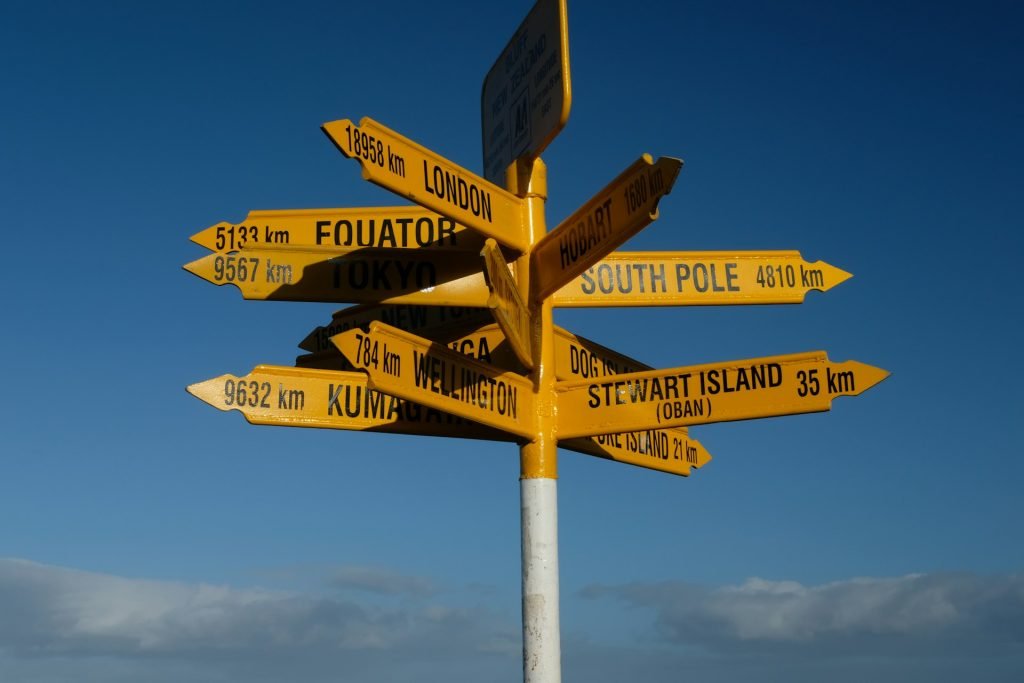
Defining where you want to go is one of the most important parts of trip planning. It’s what makes your travel dream feel alive and real — turning vague ideas into something you can actually picture.
I’ve heard so many people say they want to travel, but have no clue where they’re heading. Choosing a destination gives your trip direction and purpose. It’s much easier to tell yourself, “I’m going to Zanzibar” or “I’m planning Seychelles” than to keep saying “I just want to travel someday.”
Once you decide, the whole process becomes easier. The excitement kicks in, you start visualizing it, and planning becomes a lot more intentional — from research to budgeting to actually making it happen.
Step 2: Set Your Travel Budget
Whenever I’m planning a trip, the first question I ask myself is, “How much am I willing to spend?” Right after that comes, “How long will I be gone — a week, two weeks, or a month?”
Asking these two questions sets the tone for everything else. It helps you figure out how much you need to save, what kind of experiences you can afford, and even what travel style fits you best — whether that’s backpacking, staying in budget apartments, or going full luxury. From hotels and tours to local attractions, understanding your budget shapes your entire plan.
Here’s a simple two-step process I use to research travel costs:
1. Check my Travel Resources section — it’s packed with trusted tools and links
2. Google prices for specific things you’d like to do, like a winery tour or skydiving. GetYourGuide is one of my favorite places to start.
You really don’t need to overcomplicate it. There’s a ton of information out there — some helpful, some just noise — and it’s easy to get lost down the rabbit hole. Once you have a rough idea of what your trip will cost, add a little buffer (around $50–100) for unexpected expenses. Then, start saving and watch your plan come to life.
Step 3: Saving Money

Saving money is one of the most important steps in planning any trip — because let’s be honest, without it, all your travel plans remain just beautiful daydreams. And that can be frustrating, believe me, I know from experience.
The truth is, saving isn’t about making more; it’s about managing what you already have. Cut down on the little extras — that daily coffee run, constant takeouts for me, it’s Ice Cream (Hans and Rene, you guys have wrecked me lol ) — and redirect those funds to what really matters: your travel goals. Every small change adds up.
Once you’ve mapped out your travel budget, trim the unnecessary spending and get creative with how you save. I’ve written a full guide on how to save for your next trip — it’s a good place to start your savings journey.
Step 4: Choose Your Travel Companions
Personally, I travel solo a lot—and I love it. Experiencing new cultures, meeting new people, hearing new languages—it feels private, personal, and powerful. But I get it: many people prefer travelling with friends, family, or a partner—and that’s totally valid.
Here’s what I’ve learned (from my own trips + research) about choosing a travel companion who’s truly ready:
- Make sure they have their passport sorted, visa/ETA eligibility sorted, and health checks done ahead of time—so they’re not rejected after all the work’s done.
- Talk about travel styles & expectations early: budget (hostel vs luxury), pace (relaxed vs packed days), alone time vs together time. I wrote a blog on “How to Pick the Perfect Travel Companion” which i suggest you read and then also discuss these things with your travel partner up front so you don’t clash mid-trip.
- Try travelling together short-term (a weekend or a few days) before committing to a longer trip—test compatibility and see if you sync.
So, whether you travel solo or with someone, the key is communication + planning. If your companion is ready too—passport, health, mindset—it makes everything smoother and more fun.
Step 5: Travel Rewards & No-Fee ATM Cards
You know that feeling when you’ve spent forever hunting cheaper flights, good hotels, and think: my budget could go way further if I didn’t lose money on fees and weak reward programs? I’ve been there too. Travel rewards + credit card points + no-fee cards are seriously among the smartest tools for anyone who wants to travel more without getting ripped off.
Here’s the real deal on how travel rewards work, why they actually matter for African trips, and what to keep an eye on—plus a few smart hacks for knowing when it’s time to ditch your old card for a no-fee one.
- Go all in with your no-fee card. Use it for everything travel—your flight bookings, hotel stays, and even small bills. Every swipe counts.
- Stack your wins. Pair your credit card rewards with airline or hotel loyalty programs. Double the points, double the perks.
- Always carry a plan B. Keep a backup card ready in case your main one acts up or you spot a better exchange rate.
- Don’t play yourself with debt. Pay your balance in full every month—because no reward is worth paying interest for.
Step 6: Stay Focused And Inspired
There’s something about life that makes it hard to stay focused—especially when you’re finally getting closer to your goal. That’s why it’s so important to keep feeding your travel dreams. The truth is, planning a trip can get overwhelming, especially without support from family or friends, or when you’ve run into all those misleading takes about traveling Africa. My advice? Read books written by real travelers who get it—people who’ve been where you are and know exactly how it feels.
Step 7: Check Last Minute Deals

If you’ve made it this far, you’re clearly inspired, prepared, and already building momentum toward your travel goals. The next smart move? Check for last-minute deals on flights, apartments, and hotels. You’d be surprised — some discounts go as high as 70%. That’s major savings sitting right there waiting for you.
Step 8: Book Your Flights

After you’ve used your travel credit card, earned your sign-up bonuses, or tried stacking loyalty miles to book flights—let’s be real—it’s not always that simple, especially if you’re booking from Africa. Most of those programs aren’t as accessible here, and availability can be limited.
That’s why I stick to my two favorite (and reliable) ways to find cheap flight deals:
Skyscanner — My go-to for affordable flights. It digs deep, even through the smaller booking sites, and the “Everywhere” feature is perfect when you just want to see where your budget can take you.
Kiwi.com — This one takes flight searches to another level. It smartly combines flights, trains, and buses—even when they don’t normally connect—to get you the best possible route for less.
Step 9: Book Your Accommodation

If you’re traveling for a week or two, it’s best to book your accommodation ahead for the full stay. It gives you peace of mind, especially if you’re traveling during peak season. You can just arrive, settle in, and focus on enjoying your trip.
But if your trip runs longer — say a month or more — it’s smarter to book just a few nights first. Once you arrive and get a feel for the place, you can either extend your stay or explore other options. Things can change fast when you’re on the road — what looks good online might not always feel right in person. Personally, I like the flexibility of booking a few nights first and deciding from there.
Here are my go-to platforms for finding the best accommodation deals:
Bookings and Errands — My top pick for apartments in Africa. With the largest range of options in Ghana, Nigeria, and South Africa — plus reliable errand services — it makes booking smooth and stress-free every time.
Booking.com — One of the best for budget stays worldwide, especially in developing countries. It’s super easy to use, consistently finds great rates, and often lets you book without paying upfront.
Hostelworld — My first stop for hostels in Africa. Huge selection, easy to navigate, and always reliable when I need something quick and budget-friendly.
Step 10: Plan Your Activities
It’s always smart to plan your activities ahead — it shows you’ve budgeted well and thought your trip through. Make a list of the experiences you don’t want to miss, look out for last-minute deals, and adjust your savings so you’re covered.
For shorter trips, I recommend booking all your tours and activities at once; for longer ones, book as you go. And most importantly, choose what truly matters to you — that way, you don’t miss out on your favorite experiences when time or money runs low.
Step 11: Pack Smart for Your Trip

Packing is honestly one of my favorite parts of travel. It’s that final confirmation that I’m actually doing this — I’m focused, committed, and inspired enough to go.
But here’s the truth nobody really talks about: the urge to pack everything. All your favorite outfits, those new pieces you bought “just for the trip,” and maybe a few extras — just in case. Don’t do it. Pack only the essentials. You don’t need ten sweaters. You’ll survive (and thrive) with less. And the fun part? You can always buy something new on the road — a dress, a pair of shoes, or that cool hiking gear you didn’t know you needed.
Unless you’re traveling across multiple climates, you really don’t need layers of winter gear. Keep it simple. Keep it smart.
Here’s a quick list of things I personally recommend (especially for female travelers):
- Lifestraw bottle with a built-in filter
- Universal travel adapter
- Travel locks (for hostels or shared spaces)
- Quick-dry towel
- Mini first-aid kit
- Comfortable Outfits
And lastly — don’t forget your medications. Pack enough to last your trip, and bring your doctor’s note or prescription in case you need a refill abroad.
Travel light. Travel smart. The goal isn’t to pack your life — it’s to live it.
Step 12: Buy Your Travel Insurance
I get it — a lot of people think travel insurance is just about health. They skip it, assuming, “I’m fine, I don’t need it.” But truth is, travel insurance goes way beyond that. It’s what saves you when your camera breaks, your flight gets cancelled, something gets stolen, or an emergency back home cuts your trip short.
Sure, it feels like an extra expense — but trust me, it’s better to be safe than sorry. I’ve heard (and seen) enough firsthand stories to know that bad things happen on the road — and we don’t always have control. It could be a sprained ankle during a hike or a sudden illness that forces you to fly back early. Those unexpected moments can cost thousands, and if you’re not ready to cover that out of pocket, then travel insurance isn’t optional — it’s essential.
Here are a few I personally recommend:
Compensair: helps you claim compensation when your flight gets delayed, cancelled, or overbooked — no upfront fees, no stress. Just a smooth way to get what the airline owes you.
Insubuy: perfect for finding travel medical insurance fast. You can compare plans side-by-side and choose one that fits your trip without the confusion.
And before you travel, please — know your airline rights. It’s one of the most underrated travel advantages out there.
Step 13: Enjoy Your Trip

If you’ve followed all these steps, then congrats — you’ve officially set yourself up for a seamless, stress-free trip. It’s time to enjoy the fruits of your planning. Grab your bags, double-check that passport, and head to the airport. You’ve earned this.
It’s normal to feel a bit anxious before a big trip — I’ve been there too. That mix of excitement and nerves? It just means something beautiful is waiting on the other side. Trust your planning, trust your instincts, and lean into the experience. You’re about to have the time of your life.
By following this guide, you’re not just planning a trip — you’re building confidence, saving smart, and making sure every part of your journey flows effortlessly, no matter how long or far you’re going.
P.S. I left out visas and vaccinations since they vary by destination, but if you’d love a detailed post on that, drop a comment and I’ll make it happen.
Travel Resources
Accommodation:
Bookings and Errands: Reliable and trusted for Apartments, Car Rentals and Errand Services across Nigeria, Kenya, South Africa, and Ghana.
Hostelworld: Trusted for Hostels across Africa countries.
Booking.com: Trusted for Hotels, Apartments and Resorts across Africa.
Flights:
Aviasales: is my go-to for cheap flights. It’s a smart flight search engine that scans hundreds of airlines and agencies in one place, lets you compare flexible dates to find the lowest fares, and even sets price alerts so you know when ticket costs drop — perfect if you want to travel smarter and save money.
Transfers & Airport Services:
DiscoverCars: It scans hundreds of rental agencies worldwide, shows competitive prices and coverage options in one place.
Welcome Pickups: Start your trip stress-free with a friendly driver waiting for you at the airport.
GetRentacar : lets you book exact cars from local owners and rental companies worldwide, often at up to 50% off.
Travel Insurance
VisitorsCoverage : It lets you compare trusted insurance plans in one place, choose coverage that fits your trip and budget, and buy easily online.
Insubuy: Your go-to for comparing travel insurance plans, making it easy to find coverage that fits your trip and budget.
Tours Companies
GetYourGuide: Great for last-minute activities and flexible tickets, making it easy to plan on the go.
Viator: Perfect for booking unique tours and experiences, especially if you want local guides who know the hidden gems.
Expedia: Perfect for booking everything in one spot—flights, hotels, cars, even activities.
Leave a Reply